

My Day with Dr. Rajinikanth: A Chess Parent’s Eye-Opening Experience
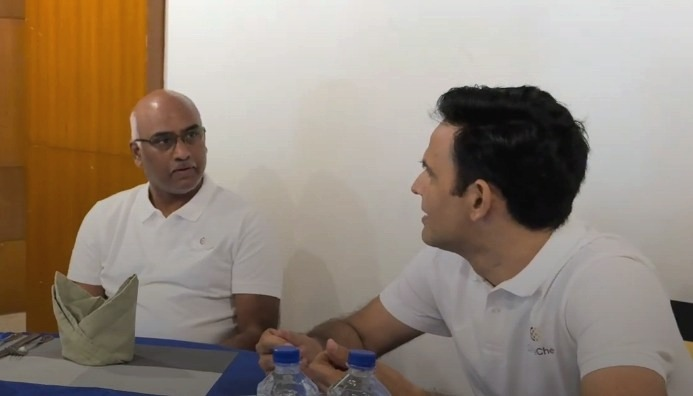
Have you ever met someone whose perspective completely transformed the way you view your own journey in life? That’s exactly how I felt after spending a day with Dr. Rajinikanth, the father of World Chess Champion Gukesh Dommaraju. As a parent navigating the highs and lows of my children’s chess journey, I thought I had a strong grasp of how to support and nurture my children’s chess journey. However, after hearing his humble reflections and profound insights, I discovered a new depth to parental support – one that continues to inspire and guide me in ways I hadn’t anticipated.
Parenting Insights from a World Champion’s Father
As a parent of two chess-playing kids, my journey into the world of chess has been as enriching as it has been challenging. Recently, I had the incredible opportunity to meet Dr. Rajinikanth, the father of the chess prodigy and World Champion, Gukesh Dommaraju. This meeting, which took place during a day-long visit to Chennai, left a deep impression on me, not just as a chess enthusiast but as a parent.
What struck me most during our conversations was Dr. Rajinikanth’s humble, grounded approach to parenting—a philosophy that undoubtedly played a pivotal role in shaping Gukesh’s journey to the top of the chess world. Here are some key insights and reflections from my meeting with him.
The Parent’s Role: Support, Not Control
Mr. Rajinikanth emphasized that his role was never to dictate Gukesh’s choices but to provide unwavering support. He shared how Gukesh has always made his own decisions, from selecting tournaments to mapping out his career path. This level of autonomy, combined with the strength of a supportive environment, is what gave Gukesh Dommaraju the confidence to excel.
As parents, it’s natural to worry about results and outcomes. However, Dr. Rajinikanth’s approach challenges this notion. Instead of focusing on the immediate outcomes of games, he focused on being a logistical enabler—ensuring Gukesh Dommaraju could focus solely on his chess. This shift in mindset is something I am determined to adopt in my own parenting journey.
Inculcating Values: Respect for the Game and Life
One of the most inspiring aspects of their household is the values and ethics they uphold. Dr. Rajinikanth shared that they do all their household chores themselves. They have no external help—no cook, maid, or driver. This simplicity and self-reliance have not only grounded their family but also instilled a deep respect for hard work in Gukesh Dommaraju.
He drives his own car, takes care of household responsibilities, and ensures that Gukesh remains humble and respectful, no matter how high he soars. For me, this was a powerful reminder that a child’s character and attitude toward success and failure are deeply influenced by the values we model as parents.
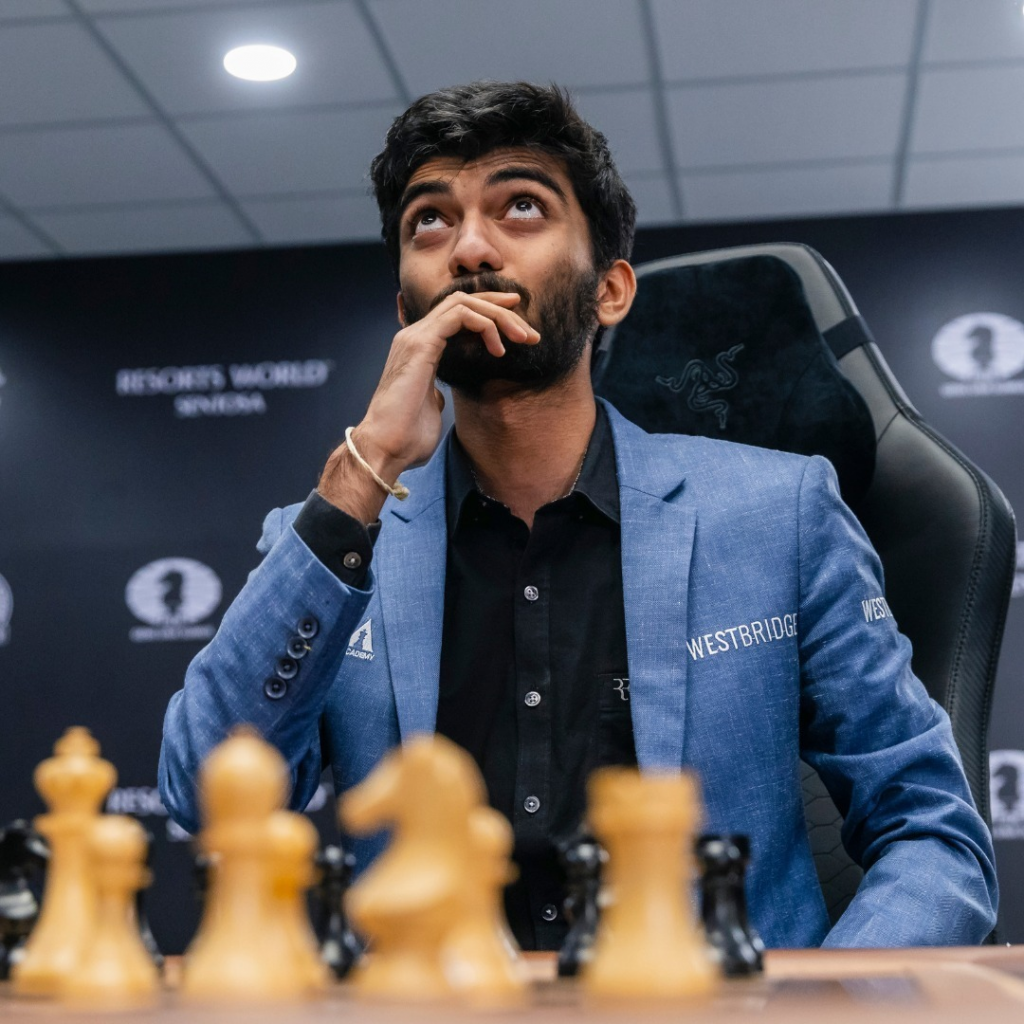
Gukesh Dommaraju’s mother also played an integral role in shaping his character. She used to narrate stories from the Geeta to him, consistently emphasizing that being a good human being is much more important than being a champion. These teachings have clearly resonated with Gukesh, which is evident in his humility and grace both on and off the stage.
Handling Highs and Lows
Another key takeaway was Dr. Rajinikanth’s perspective on handling Gukesh’s highs and lows. He shared how he initially used to get upset and react to Gukesh’s losses, which in turn, led to a noticeable decline in his performance. Realizing this impact, he made a conscious decision to stop reacting to results altogether. Instead, when Gukesh came out of the playing hall, Dr. Rajinikanth would talk about what Gukesh wanted to do next or what he wanted to eat, avoiding any discussion about the game’s outcome. This simple change resulted in a significant improvement in Gukesh’s performance.
As a chess parent, this resonated deeply with me. The chessboard teaches resilience, and as parents, it is our role to reinforce this lesson by being a steady pillar of calm strength for our children, no matter the outcome.
Avoiding Early Micromanagement
These days, especially among parents who are not familiar with chess, there’s a tendency to make all possible decisions for their kids. From enrolling 4- to 7-year-olds in classes with IMs and GMs to finding a personal coach for one-on-one lessons very early in their learning journey, many parents focus excessively on what coaches are teaching their children.
Dr. Rajinikanth’s perspective on this was enlightening. He mentioned that Gukesh never had one-on-one classes until much later in his career. Instead, he allowed Gukesh and his coaches to develop their own synergy, trusting them to find the right approach together. His advice is simple: as long as the child is enjoying the sport and making progress, parents should not worry about the intricacies of their training.
This hands-off approach ensures that children remain passionate about the game and are not burdened by unnecessary pressures or micromanagement. It’s a valuable lesson for all of us—sometimes, stepping back is the best thing we can do for our kids.
A Renewed Belief in Parental Influence
My meeting with Dr. Rajinikanth has only strengthened my belief that parents are the key drivers behind a child’s success. While coaches, mentors, and peers play their parts, it is the parents who lay the foundation—not through micromanagement but through unconditional support, values, and trust.
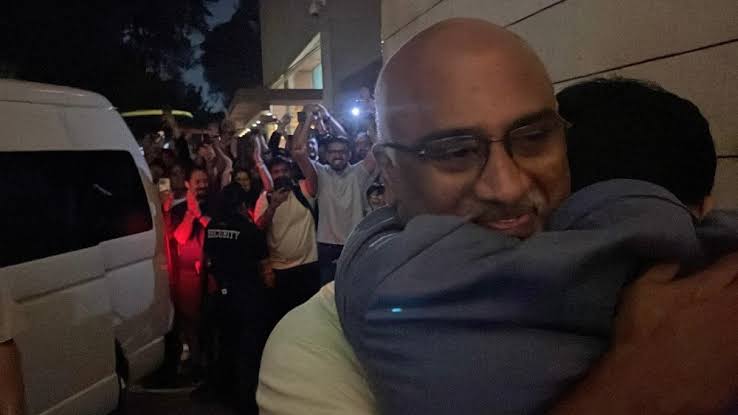
For those of us navigating the chess journey with our kids, the message is clear: we need to focus on being their anchors, solving logistical challenges, and creating an environment where they can thrive. It’s about the long game—helping them grow into resilient, respectful individuals who value the journey as much as the destination.
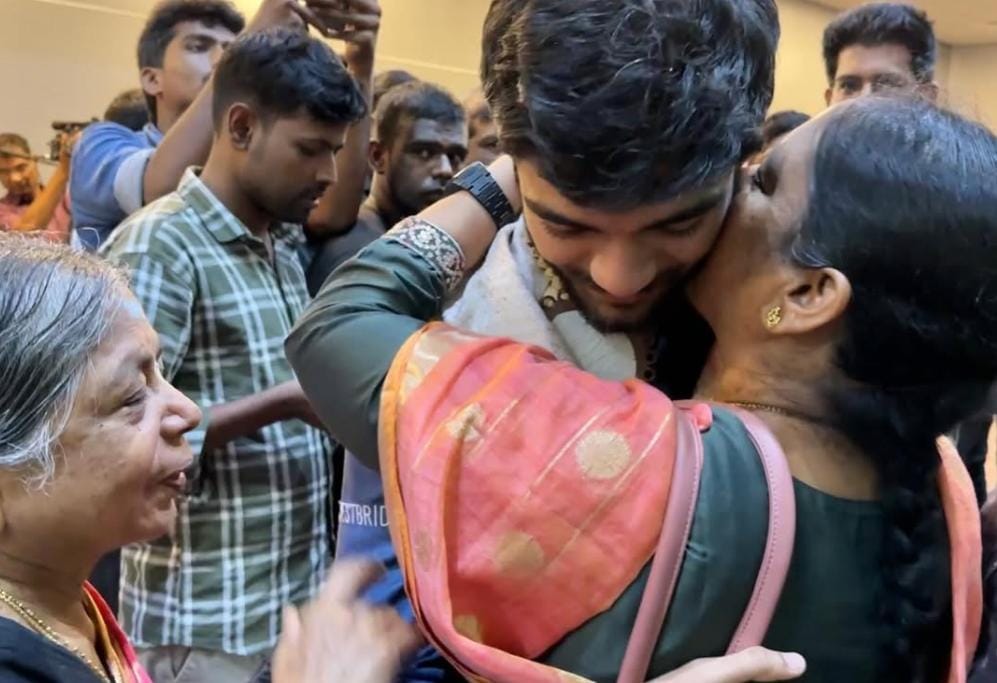
As a parent, it’s natural to start having expectations from kids when you spend so much time, effort, and money on their passion. Perhaps that’s one of the biggest mistakes parents make, which spoils the passion for the sport in the child. We should try all means and efforts to ensure that the child is able to generate passion for the game. Once that happens, everything will automatically fall into place.
Inspired by Gukesh Dommaraju
I have never been inspired by any other successful celebrity as much as I have been by Gukesh. In this new generation, the way he carries his humbleness on and off the stage got me curious about his upbringing and parenting.
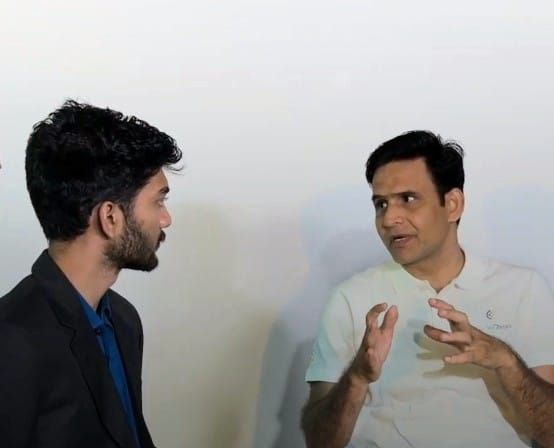
Meeting Dr. Rajinikanth provided the answers to my curiosity and deepened my respect for both father and son. Their humility, discipline, and focus are qualities that every parent and child can aspire to emulate.
Meeting Dr. Rajinikanth was not just an enlightening experience; it was a turning point for me as a parent. His humility, wisdom, and unwavering support for Gukesh reminded me of the power of parenting done right. As I returned from Chennai, I felt a renewed sense of purpose and gratitude for the role I get to play in my children’s lives.
To every chess parent out there: let us celebrate our children’s passion, stand by them, and let them lead the way. After all, the best moves on the chessboard of life are made with love, trust, and faith.