

\
Pressure Doesn’t Create Weakness — It Reveals Habits
It doesn’t.
Pressure only exposes what your mind is already used to doing.
If your habit is rushing, you rush harder.
If your habit is overthinking, your thoughts explode.
If your habit is staying calm, you stay calm — even when things get
messy.
That’s why two students can prepare the same syllabus, but one
freezes during the exam and the other doesn’t.
Their preparation wasn’t just academic.
It was mental.
Why Panic Feels Automatic for ManyPeople
Let’s be honest — panic feels natural.
Heart beats faster.
Thoughts jump everywhere.
Logic steps aside.
The problem is, modern life keeps our brains in a
constant state of alert:
notifications, deadlines, comparisons, expectations.
So when real pressure arrives, the mind doesn’t know how to slow down.
It only knows how to react.
Calmness Is Not Personality — It’s Practice

\
Real Examples: Calm Under Fire
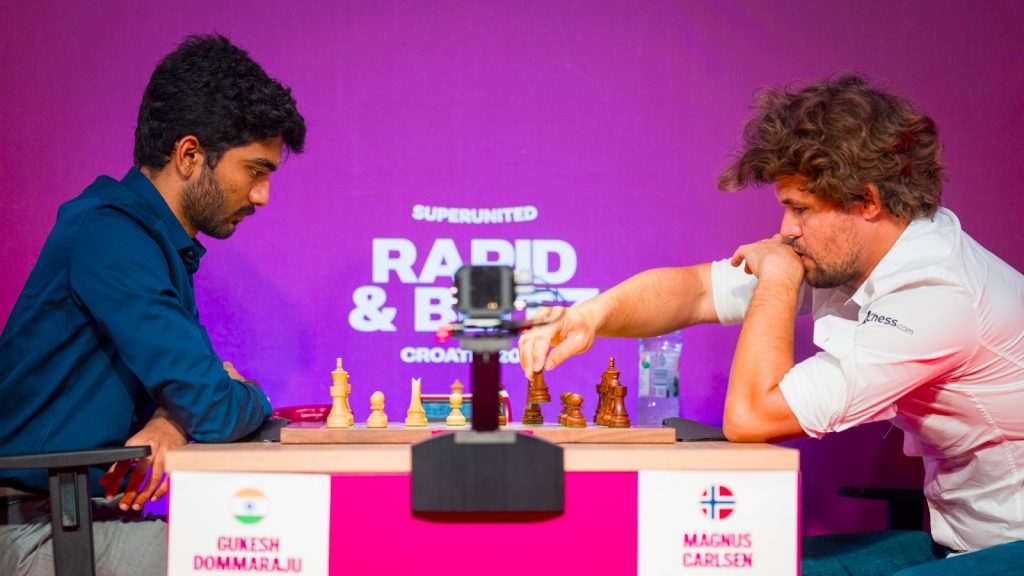
Magnus Carlsen

No rushing.
No panic.
Just clear thinking and control.
While others tried to force wins in time trouble, Magnus stayed patient. He trusted his instincts, waited for small mistakes, and converted them calmly.
That’s what experience mixed with discipline looks like.
Calm minds don’t chase opportunities — they recognize them.
Praggnanandhaa
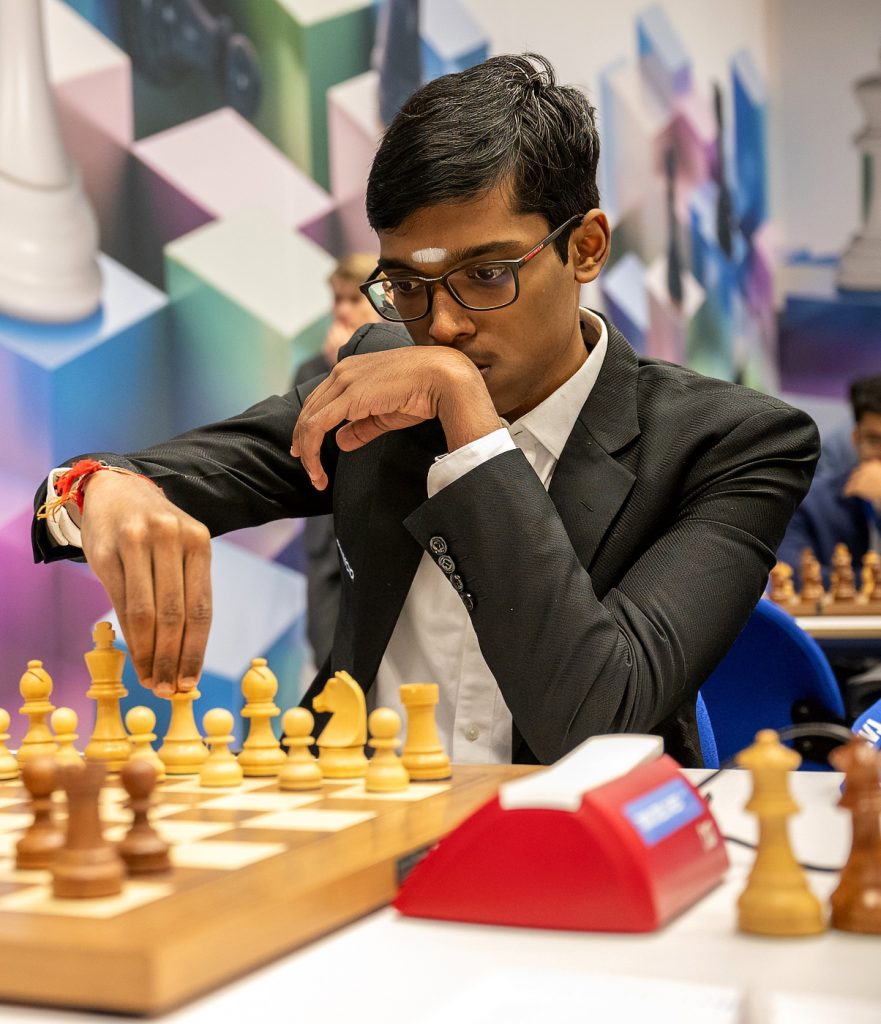
Even when something goes wrong, his expression
barely changes.
That doesn’t mean he doesn’t feel pressure.
It means he’s trained his mind to stay in the moment.
Instead of reacting emotionally, he asks:
What’s the best move now?
That one question keeps panic away.\
Divya Deshmukh

Why Overthinking Feels Like Thinking — But Isn’t
Many people confuse overthinking with thinking.
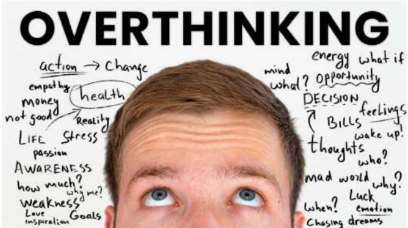
Overthinking is noisy.
Thinking is clear.
Overthinking jumps ahead too far.
Thinking stays one step at a time.
Chess trains this difference naturally.
You don’t think about winning the tournament.
You think about the next move.
- focus on the next task
- not the entire future
- not the fear of failure
This reduces anxiety more than motivation speeches ever will.\
Pressure Is Easier When You’ve Been There Before
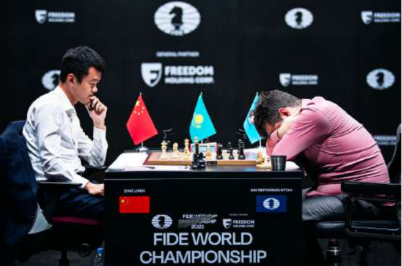
they’ve been under pressure thousands of times.
This is why some minds stay calm under pressure — and others don’t.
Every timed game is pressure.
Every losing position is pressure.
Every mistake is pressure.
So when real-life pressure comes, it feels familiar.
The brain says:
I’ve handled worse.
That familiarity creates calm.
How CircleChess Helps Build Calm Minds
This is where CircleChess starts to matter in a real way.
It isn’t just about learning openings or chasing ratings. It’s about slowly becoming comfortable with pressure—without being thrown into the deep end. The same kind of pressure that appears in exams, interviews, and tough moments in life.
On CircleChess, students learn in GM and IM–led classes where coaches don’t just explain what move to play, but why staying calm matters when the clock is ticking. They speak openly about nerves, mistakes, and those moments when the mind goes blank.
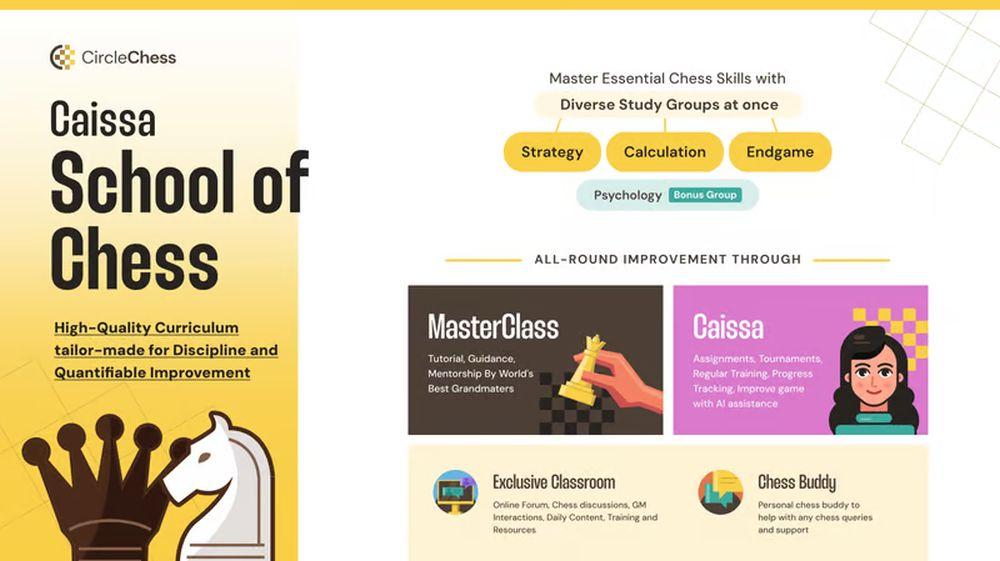
There are mindset and psychology sessions too — where panic, tilt, and frustration aren’t treated like
weaknesses, but like normal parts of the journey. Kids learn how to reset, breathe, and move on instead of breaking down.
Then come the café tournaments and online events. Real games. Real clocks. Real emotions. But in a safe space where losing is okay and learning is the goal. You play, you lose, you understand, you come back stronger.
And for parents, the change becomes visible—not just better results, but a calmer child, sharper focus, and greater confidence under pressure. CircleChess creates an environment where pressure no longer feels scary; it becomes familiar.
And calmness slowly turns into a habit..
Conclusion: Calm Is a Skill You Can Learn
Some minds stay calm under pressure because they’ve practiced staying calm.
Others don’t — because no one ever taught them how.

It teaches you why some minds stay calm under pressure — and others don’t, and how to sit inside pressure without breaking.
You learn to breathe.
To pause.
To choose clarity over chaos.
And once you learn that on a board, you carry it everywhere else.
Because calmness isn’t magic.
It’s trained.
\