

Most chess players build their opening repertoire in a messy way. One day they watch a video on the Italian Game, next day they learn the Vienna, then suddenly they’re excited about the King’s Gambit, and by next week they’re trying the London System because someone said it’s easy.
Sounds familiar?
The problem isn’t curiosity — curiosity is good.
The problem is trying to learn too much without really understanding anything deeply. And because of that, most players enter the middlegame with confusion. They know moves… but they don’t know plans.
That’s where games start slipping.
Start With Positions You Actually Like Playing
This is where opening building should begin. Not with engines. Not with trendy openings. Not with “what grandmasters play.”
But with you.
Ask:
- Do I enjoy attacking?

- Do I like quiet positional games?
- Do I prefer clear structures?
- Am I comfortable taking risks?
For example, many club players enjoy systems like the London because the setup feels familiar and the plans become easier to understand over time.
On the other hand, tactical players may enjoy openings where positions open quickly and initiative matters. Both are fine.
The goal is simple — choose openings that feel natural enough that you’ll actually stick with them. Because repetition builds understanding.
Stop Learning Ten Openings at Once
This is probably the biggest mistake online players make: trying to learn too much at once. Too many openings, too many videos, too many random ideas — and honestly, too much confusion. A much smarter approach is simple:
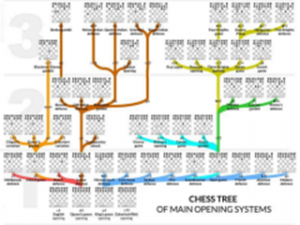
Choose
- One main opening with White,
- One defense against 1.e4,
- One defense against 1.d4.
That’s enough. Then go deeper. Learn the typical middlegames, common tactical ideas, pawn structures, where the pieces belong, and the mistakes players usually make. That’s when your opening stops being something you memorize and becomes something you truly understand — and that difference is huge.
Understand Plans, Not Just Moves
A lot of players know opening moves.
Knight f3.
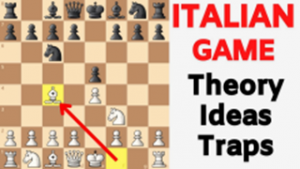
Bishop c4.\
Castle kingside.
Fine.
But the moment an opponent plays something unusual, they freeze. Why? Because they memorized moves not ideas. Strong players understand the plans behind the opening. They know why pieces develop to certain squares, what pawn breaks they are aiming for, which pieces will become important, and what kind of middlegame they want to reach. Once you understand plans, small opening surprises stop feeling scary.
Your Own Games Will Teach You the Most
Your own games will teach you more than endless theory videos ever will. When you review your losses carefully, patterns appear very quickly. Maybe you keep weakening your kingside, trapping your bishop, overpushing center pawns, or drifting into passive positions. That awareness is powerful because improvement often starts with recognizing: “I keep making the same kind of mistake.”
Study Good Example Games
Another underrated way to improve is studying a few strong model games in your opening. Not hundreds, just 5 to 10 good examples. Watch how strong players place their pieces, when they start attacks, how central pawn breaks happen, and how they convert small advantages. Over time, these patterns start feeling familiar, and that familiarity naturally builds confidence.
Where CircleChess Fits Naturally Here
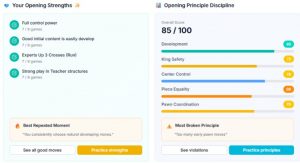
Game reviews matter too. Sometimes players think their opening was fine and the mistake came later, but deeper analysis often shows the real problems started much earlier: weak pawn structures, poor piece placement, or misunderstanding the position type. Once you notice those patterns, preparation becomes much smarter because you stop memorizing blindly and start fixing real weaknesses.
Final Thought
At the end of the day, a strong opening repertoire doesn’t come from learning everything. It comes from understanding a few things deeply. Keep it simple, play those positions often, review your games honestly, and improve step by step. That’s how openings become confidence — not confusion.