

What is Swiss Manager?
Swiss Manager is a desktop-based chess tournament management software developed in the late 1990s that became the industry standard for organizing Swiss-system chess tournaments. Created by Franz-Josef Weber, this Windows application handles player registration, pairing generation, results tracking, and standings calculation for tournaments of all sizes.
For over two decades, Swiss Manager served as the backbone of competitive chess organization worldwide. Tournament directors relied on its comprehensive feature set to manage everything from local club events to international championships. The software’s strict adherence to FIDE pairing rules and its ability to handle complex tiebreak scenarios made it indispensable for arbiters running official rated events.
Despite its proven track record, Swiss Manager remains a product of its era—desktop-only, manually intensive, and built before cloud computing and mobile accessibility became expectations rather than luxuries.
Disadvantages of Swiss Manager
- Complexity and Learning Curve
- Manual Data Input
- Lack of Automation
- Communication Gaps
- Limited Accessibility
- The Rising Expectations of the Community
Complexity and Learning Curve
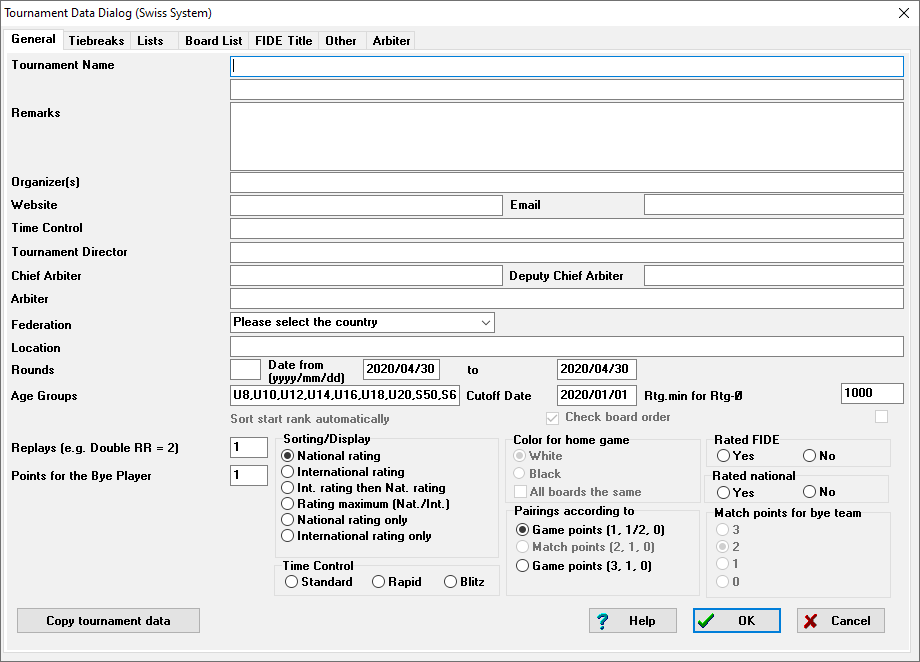
Swiss Manager, while robust in its capabilities, can be complex and challenging to learn, especially for new organizers and arbiters. The array of features and settings can be overwhelming, making it a barrier to entry for those looking to venture into chess tournament organization. As the chess community continues to grow, it’s crucial to have tools that are user-friendly and accessible.
New arbiters typically require 8-10 hours of hands-on practice before feeling comfortable running their first tournament. The configuration process spans multiple tabs and nested menus, where a single misplaced setting can cascade into pairing errors. Tournament directors frequently report spending their first event troubleshooting software instead of managing players. The steep learning curve discourages volunteers from stepping into organizer roles, creating a bottleneck as chess tournaments expand in both number and scale across clubs and schools.
Manual Data Input
One of the significant pitfalls of Swiss Manager is its reliance on manual data entry. Organizers and arbiters often find themselves inputting player information, tournament details, and results manually. This process is time-consuming and prone to errors. With modern technology, there’s no reason why tournament management should be a labor-intensive task when automation can significantly streamline the process.
Lack of Automation
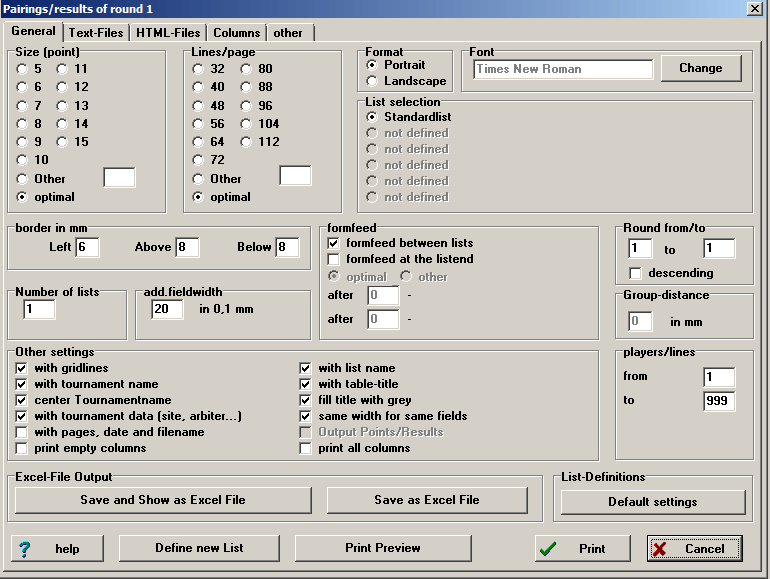
Swiss Manager requires arbiters to manually adjust pairings for color balance and input results round by round. Modern platforms like Chess-Results and Tornelo automate pairing generation, push live results to players’ phones, and sync standings instantly—eliminating hours of repetitive work that Swiss Manager still demands from organizers.
Communication Gaps
Keeping players, parents, and arbiters informed is crucial during a tournament. Swiss Manager’s communication features are often considered outdated. Picture a parent trying to check standings remotely, or an arbiter needing to announce a last-minute pairing change—Swiss Manager offers no integrated solution. Organizers must rely on external means like emails, phone calls, or in-person updates to keep everyone in the loop.
Limited Accessibility
Swiss Manager is primarily a desktop software, limiting accessibility. In today’s mobile-centric world, online chess game organizers need tools that they can access and use from anywhere. The lack of mobile and cloud integration in Swiss Manager can hinder organizers’ ability to manage tournaments efficiently.
Cloud-based tournament management platforms enable arbiters to access pairings and results from tablets, smartphones, or any web browser—critical for multi-board venues or remote supervision. This flexibility has become standard among modern SaaS competitors like Chess-Results and Tornelo, which sync data instantly across devices. Without cloud integration, Swiss Manager forces organizers to remain tethered to a single workstation, creating bottlenecks when quick adjustments are needed during live events.
The Rising Expectations of the Community
As the online chess game community continues to grow and diversify, the expectations of organizers, players, and parents are on the rise. They demand more accessible, user-friendly, and modern solutions that cater to their evolving needs. Swiss Manager’s historical significance cannot be denied, but its inability to adapt to these changing expectations can be a barrier to the growth and development of chess as a sport.
It’s Time to Change for Chess
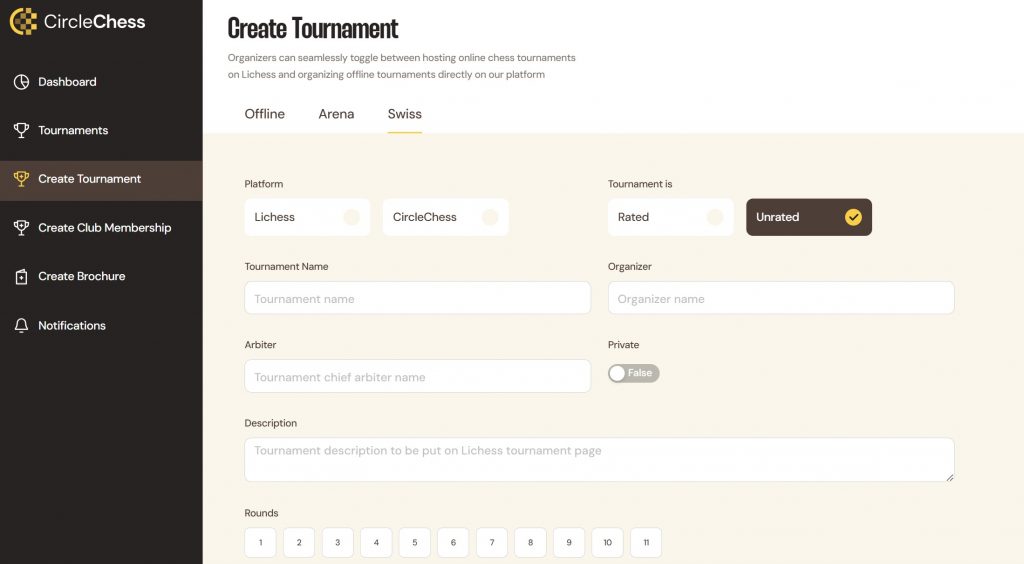
The chess world is witnessing a pivotal shift in tournament management. While Swiss-Manager established the foundation, modern solutions like CircleChess Manager now address its limitations with automation, accessibility, and intuitive design, meeting today’s digital demands. As chess tournaments surge in popularity, software must evolve to streamline operations for organizers, players, and families alike.
The move to modernize isn’t optional; it’s essential.
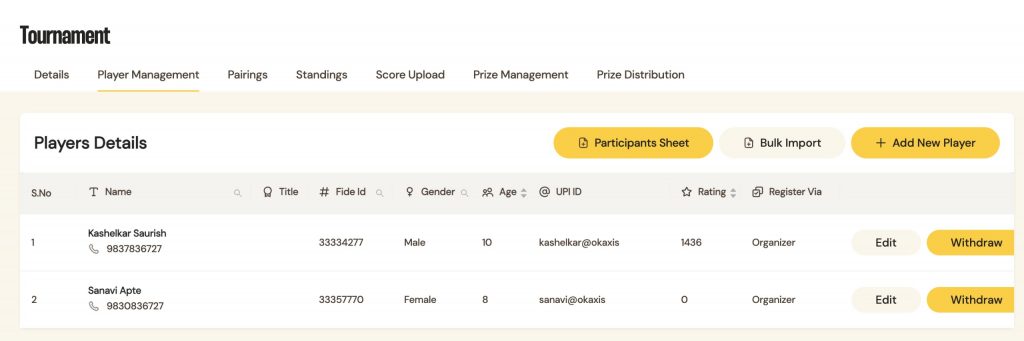
Learn more about the CircleChess manager here.
Check Out CircleChess Tournament Management Software
Top Alternatives to Swiss Manager
Several modern chess tournament management platforms have emerged to address Swiss Manager’s limitations, each offering distinct advantages for different organizer needs.
Chess-Results stands as one of the most widely adopted alternatives globally, particularly strong in European tournaments. This web-based platform eliminates installation requirements and offers automatic online publication of pairings and standings. Tournament directors appreciate its FIDE integration and multi-language support, making it ideal for international events where instant result visibility matters.
SwissPerfect appeals to organizers who prefer desktop stability but want a gentler learning curve than Swiss Manager. Its straightforward interface reduces training time for new arbiters, while still supporting complex Swiss and round-robin formats. The software excels in club-level tournaments where reliability outweighs cloud features.
Tournamentking bridges the gap between traditional and modern approaches with hybrid desktop-cloud functionality. Organizers can manage events offline, then sync results online for real-time parent and player access. Its automated pairing notifications and mobile-friendly spectator views address communication gaps that plague Swiss Manager.
CircleChess Manager represents the newest generation of tournament software, built specifically for the mobile-first era. The platform automates player registration, payment processing, and real-time notifications through a unified dashboard. For scholastic tournaments where parents expect text updates and online standings, CircleChess Manager delivers the complete ecosystem Swiss Manager lacks.
Each alternative solves specific pain points, but the choice depends on your tournament scale, technical comfort, and communication priorities. Desktop purists may prefer SwissPerfect’s simplicity, while organizers running multiple concurrent scholastic events often migrate to fully automated platforms like CircleChess Manager or Tournamentking for their superior parent engagement tools.
Key Features to Look for in Modern Tournament Software
Modern tournament management software should eliminate the friction points that plague traditional tools like Swiss Manager. As organizers evaluate alternatives, certain capabilities have become essential rather than optional.
Cloud-based accessibility tops the list. Tournament directors need to manage events from laptops, tablets, or smartphones without being tethered to a single desktop installation. Automated pairing engines should generate rounds instantly while adhering to FIDE regulations, removing the manual calculation burden that consumes hours in Swiss Manager.
Real-time communication infrastructure matters equally. Players and parents expect push notifications for pairings, results, and schedule changes—not frantic phone calls or bulletin board checks. Seamless data import from FIDE rating databases and chess federation files eliminates repetitive manual entry, while comprehensive reporting dashboards provide instant insights into tournament progress, player performance, and financial summaries. Integration with online payment systems and digital scoresheets further streamlines what Swiss Manager requires organizers to handle externally.
For example, a weekend scholastic tournament with 150 participants should allow check-in via mobile app, automatic pairing in under 30 seconds, and instant parent notifications—tasks that would require multiple staff members and hours using conventional software.
Migrating from Swiss Manager: What You Need to Know
Transitioning from Swiss Manager to modern tournament software is more straightforward than most organizers expect. Swiss Manager supports exports in .txt and .swtx formats, which many contemporary platforms can import directly or with minimal conversion.
Before committing to a full migration, test the process with a small dummy tournament. Export your Swiss Manager data, import it into your chosen alternative, and verify that player ratings, pairing histories, and tournament settings transfer correctly. This practice run reveals potential formatting issues without risking live tournament data.
Most alternatives like CircleChess Manager and Chess-Results.com provide import wizards that map Swiss Manager’s export fields automatically. The primary challenge organizers face is player ID reconciliation—ensuring FIDE IDs or national ratings link properly. Plan your migration between tournaments, not during active events, and keep your Swiss Manager installation accessible for reference during the transition period.