
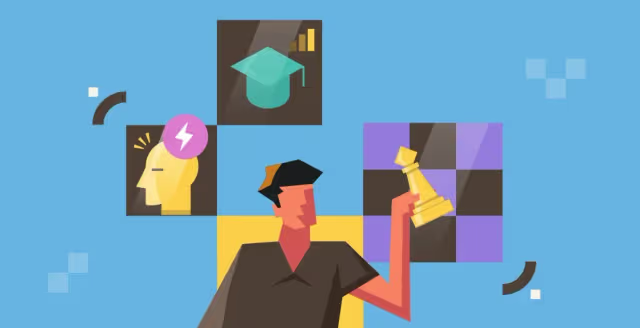
Something is fascinating about watching a young chess player stare at the board — calm, still, calculating moves most adults can’t even imagine. You wonder, “How can someone so young think so deeply?” It’s exactly the kind of curiosity that inspires the idea behind What What Gukesh and Other Young Chess Masters Teach Us.
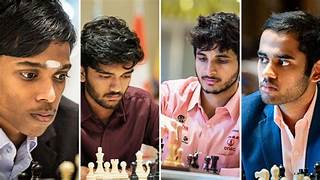
In the last few years, chess has been flooded with young stars — Gukesh, Praggnanandhaa, Abhimanyu Mishra, Nodirbek Abdusattorov — all under 20, all rewriting what we thought was possible at their age. But the secret behind their success isn’t just talent. It’s a mix of discipline, environment, and mindset that anyone — child or adult — can learn from. Let’s step into their world for a bit.
Early Curiosity, Not Pressure

That’s something we often forget — champions aren’t forced into greatness. They grow into it. For them, improvement feels like fun, not obligation. Parents who recognise that difference between pushing and guiding give their kids the best chance to thrive.
Small Habits, Big Results
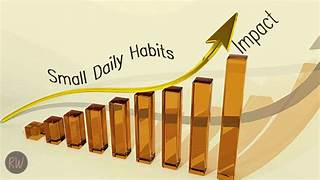
Most young prodigies share this trait — they do a little bit, every single day. Whether it’s solving puzzles,
watching grandmaster games, or replaying their losses, they treat improvement like brushing their teeth, a not optional. There’s a quiet lesson here for all of us. You don’t need massive effort in one day; you need small steps every day.
Pressure: Friend or Foe?
When Gukesh entered the Candidates Tournament 2024, he was only 17. The world watched him like a hawk the youngest in history to reach that stage. For many, that pressure would crush confidence. But Gukesh handled it with calmness beyond his age.
His secret? Detachment. He once said in an interview that he tries not to think about the result while playing. “I focus on finding the best move. If I do that enough times, the result takes care of itself.”
That’s maturity most adults don’t master even in their careers. Champions learn to see pressure not as a weight but as proof that they’re growing.
Learning from Defeat — the Right Way
Instead of frustration, they asked questions: Why did I blunder? Did I lose focus? Did I rush? That reflection turns mistakes into stepping stones. It’s something every player — or person — can practice.
Because in life and chess alike, the real loss isn’t losing the game; it’s refusing to learn from it.
Gukesh and Other Young Chess Masters Train: Beyond the Board
Most people think chess prodigies spend their whole day memorising openings. The truth is, Gukesh and Other Young Chess Masters train much more than that.
They work on fitness, because long games demand stamina.
They train focus, using breathing or visualization to block distractions.
They review mindset, making sure one bad game doesn’t spoil the next.
It’s not just mental work — it’s emotional and physical too.
How CircleChess Builds the Same Mindset for Everyone

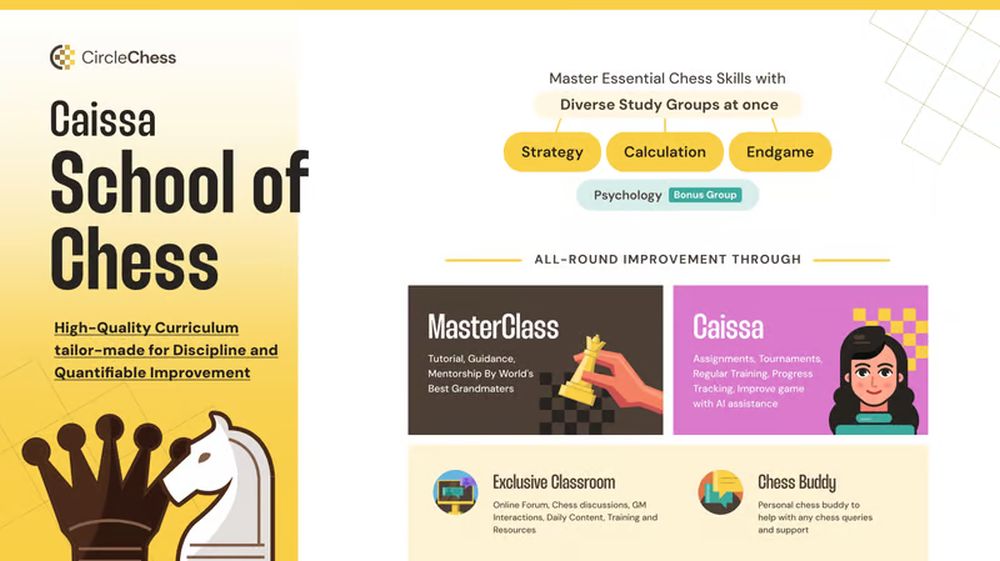
difference. It’s designed to help every learner not just prodigies — train like a pro.
On CircleChess, players can:
- Learn from Grandmasters through the Caissa School of Chess, where classes go beyond moves to
mindset and focus training. - Play structured tournaments both online and in cafés to experience real competition.
- Get psychological training to handle pressure, stay calm, and recover from losses.
- Track progress with detailed performance insights, so players know exactly where to improve.
And if you just want to stay updated, follow CircleChess on Instagram; they post tournament updates, challenges, and community stories regularly.
In short, CircleChess gives regular players the tools and space that young prodigies already have: structure, feedback, and community.
Lessons from the Young Masters
- Consistency beats talent. A few focused hours daily matter more than occasional marathons.
- Mindset matters more than memory. The calmest player usually finds the best move.
- Learn from your losses. They’re not a wall ,they’re a window.
These habits aren’t limited to chess. They apply to school, work, and life.
Conclusion: The Future Belongs to the Focused
Watching Gukesh sit quietly across the board — no drama, no panic, just pure focus — you realize something. Chess isn’t just about who knows more; it’s about who stays present longer.
The next generation of chess masters is teaching us more than openings or tactics. They’re teaching us patience, discipline, and balance — qualities that shape not only champions but also better thinkers and calmer humans.
So whether you’re an aspiring player, a parent, or just someone looking for a lesson in focus, take a page from their book. Start small. Stay steady. Keep learning.
Because in the end, it’s not age that defines a champion, it’s attitude.
\