
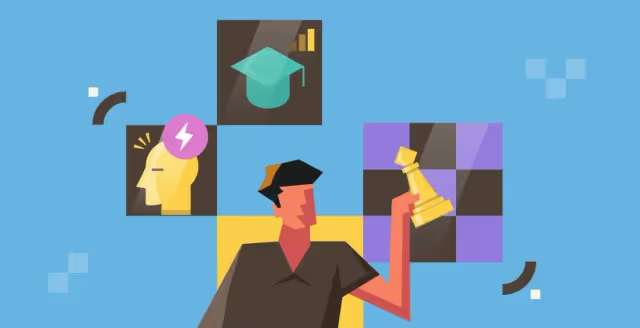
Chess is not just a game played on a board with black and white pieces. It is a powerful tool that helps improve the way you think, decide, and solve problems in everyday life. Many people believe chess is only for very intelligent people, but that’s not true. Anyone can learn and benefit from it. In fact, playing chess regularly can slowly train your brain to think in a smarter and more organized way.
One of the biggest benefits of chess is that it improves your ability to focus. In today’s world, distractions are everywhere phones, social media, and constant notifications. But when you sit down to play a game of chess, you have to pay attention to every move. If your focus breaks even for a moment, you might lose an important piece or miss a winning opportunity. Over time, this habit of concentrating deeply on the game helps you improve your attention span in studies and other activities as well.
Chess also teaches you how to think ahead. Unlike many games where you just react, chess requires planning. You have to think not only about your current move but also about what your opponent might do next. Good players often think 2–3 moves ahead, and strong players can think even further. This habit of planning ahead becomes useful in real life too. Whether it is preparing for exams or making decisions about your future, chess helps you understand the importance of thinking before acting.

Chess also improves your memory. To play well, you need to remember different patterns, openings, and strategies. For example, you may recognize a position where a checkmate is possible or remember a tactic that worked in a previous game. This kind of memory training strengthens your brain. Students who play chess often find it easier to remember things in their studies, like formulas, definitions, or important points.
Another benefit of chess is that it improves problem-solving skills. Every game is like a puzzle. You are given a position, and you have to find the best possible move. Sometimes the solution is simple, but other times it requires deep thinking. This trains your brain to stay calm and look for solutions instead of getting frustrated. In real life, problems are unavoidable, but chess helps you develop the mindset to handle them step by step.
Chess also teaches patience. Many beginners make the mistake of playing too quickly without thinking properly. This often leads to losing the game. As you learn and improve, you understand the value of waiting, thinking, and choosing the right move at the right time. This patience is very useful in daily life, especially when dealing with difficult situations or long-term goals.
One more interesting benefit of chess is that it boosts creativity. While the rules of chess are fixed, there are endless possibilities in how you can play. You can create your own strategies, try different tactics, and surprise your opponent with unexpected moves. This kind of creative thinking is helpful not only in games but also in studies, projects, and problem solving in real life.
Many famous players show how powerful chess can be for the brain. For example, Magnus Carlsen is known for his incredible memory and ability to think many moves ahead. He didn’t just become a champion by chance—his skills were developed through years of practice and deep thinking. Watching games of such players can inspire beginners to learn and improve.
Chess is also becoming very popular online through platforms like CircleChess, where players from all over the world can compete and learn together. These platforms offer puzzles, lessons, and practice games that make learning chess fun and easy. Even beginners can start playing and slowly build their skills.
How Modern Platforms Make Learning Chess Smarter
Today, learning chess has gone beyond just books and practice games. Platforms like CircleChess are making training more structured and effective. One of their key innovations is the Caissa AI system, which acts like a smart assistant for players. Instead of just telling you whether a move was right or wrong, it analyzes your games, identifies patterns in your mistakes, and highlights areas where you need improvement. This kind of personalized feedback helps players improve faster because it focuses on their specific weaknesses. Along with AI insights, platforms like CircleChess also provide structured courses, coaching, and mentorship, creating a complete learning environment.
Another important lesson chess teaches is responsibility. In chess, you cannot blame anyone else for your loss. Every move is your own decision. This helps you take responsibility for your actions and understand that success and failure both depend on your choices. This is a valuable life lesson that applies to studies, career, and personal growth.
The Final Move
In the end, chess is much more than just a game. It is like a gym for your brain. It improves focus, memory, decision-making, problem-solving, and creativity. It teaches patience, planning, and responsibility. The best part is that you don’t need expensive equipment or special training to start. All you need is a chessboard and the desire to learn.
So, if you are looking for a simple and enjoyable way to improve your thinking skills, chess is a great choice. Start playing, keep practicing, and slowly you will notice the difference not just in your game, but in the way you think and handle challenges in life.