

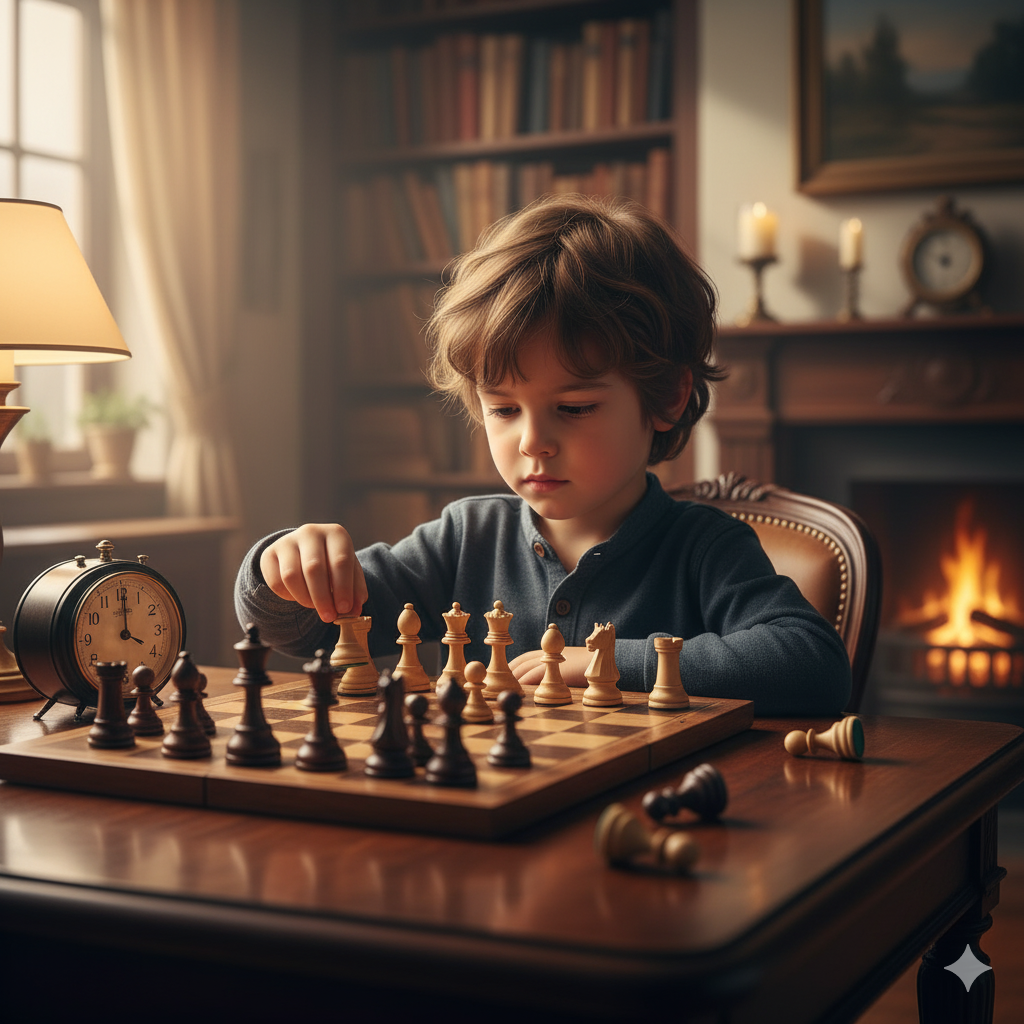
Chess isn’t just about winning or losing. It’s a training ground for the mind, especially when it comes to making better choices. On the 64 squares of a chessboard, you’re constantly weighing options, calculating risks, and predicting outcomes. Over time, these habits spill over into real life. Let’s dive into how.
Every Move Counts – Like in Life
In chess, every single move matters. Push a pawn without thinking, and you may lose control of the centre. Miss a tactical idea, and the whole game can collapse. Real life isn’t much different. Even a small decision, like choosing to procrastinate, can snowball into missed deadlines, lost opportunities, or added stress.
Think about Magnus Carlsen, often praised not just for his talent but for his decision-making under pressure. He once described how, even in times of trouble, he tries to “trust his intuition while balancing calculation.” Isn’t that exactly what we do in tough situations—using both gut feeling and logic to reach the best decision?
Short-Term Gains vs Long-Term Strategy
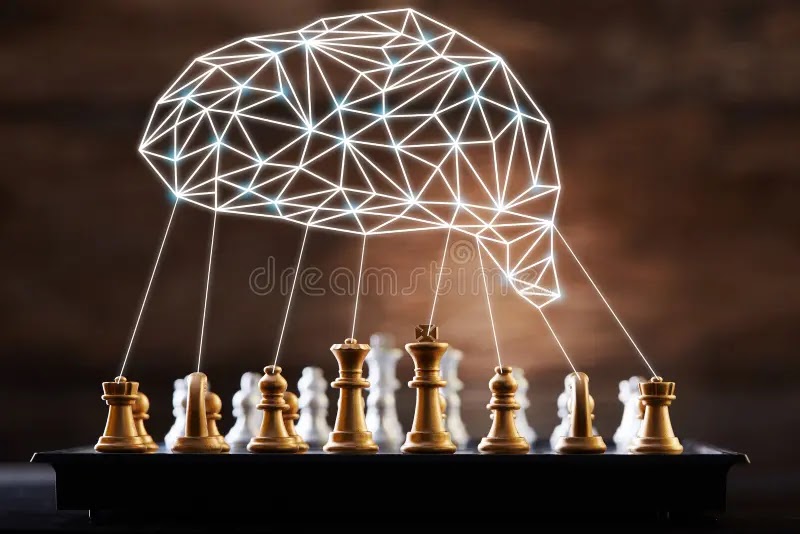
Life mirrors this perfectly. For example, staying up late to binge-watch a show might feel great in the moment, but you pay the price in the morning with poor focus at school or work. Chess forces players to evaluate whether short-term rewards are worth the long-term risks. Over time, this mindset becomes natural in real-life decisions.
Risk and Sacrifice: Lessons from the Board
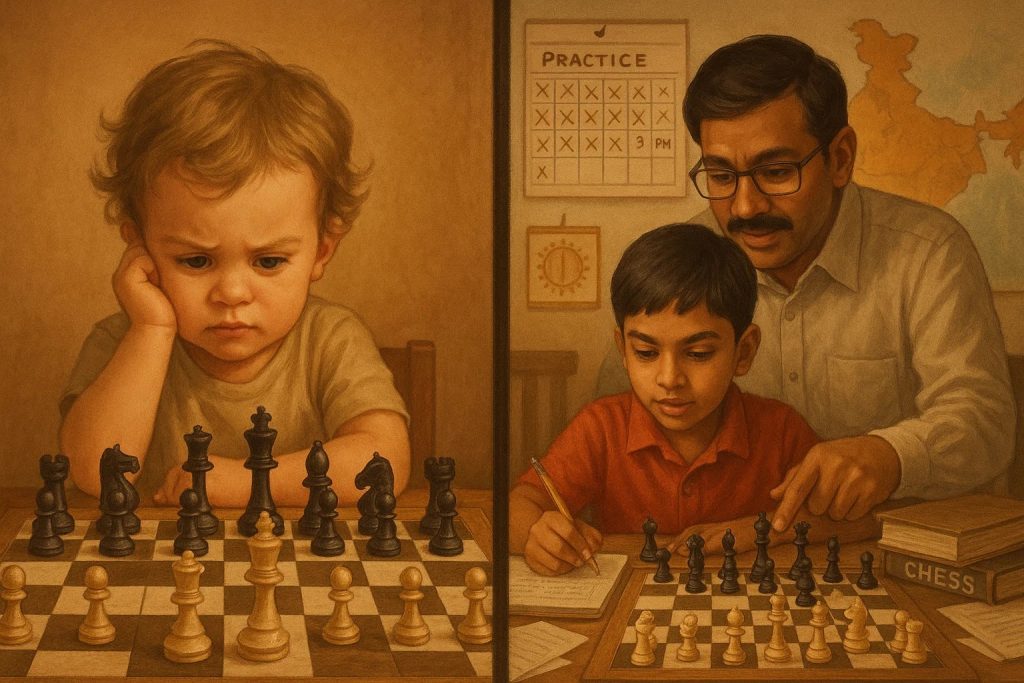
Take Abhimanyu Mishra, for example. He became the youngest Grandmaster in history, but it didn’t happen overnight. He spent countless hours practising, missed out on ordinary school activities, and took bold risks in tournaments. Those sacrifices weren’t easy, but they paved the way for a record-breaking achievement.
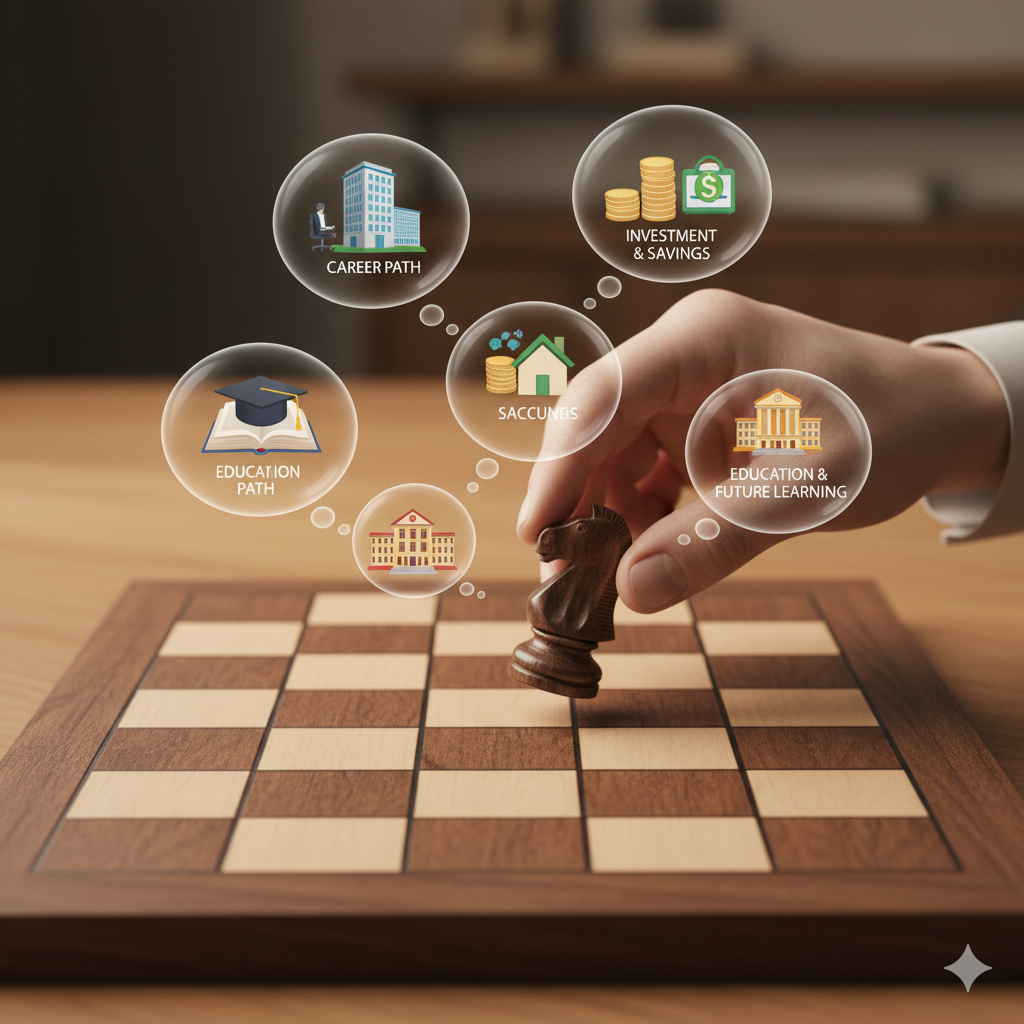
In everyday life, the lesson is similar. Maybe it’s saving money instead of splurging on small temptations, or taking a leap to move abroad for better opportunities. Chess Improves Decision-Making by teaching you to think ahead, weigh risks, and trust that smart decisions today can pay off big tomorrow. The World’s Eyes on Young Chess Talent
When Magnus Carlsen visited India, he shared how shocked he was to meet a three-year-old boy with a 1600 rating. To put that in perspective, most adults who casually play never cross 1200. Imagine the decision-making power in a toddler already capable of calculating multiple moves ahead.
BBC News and other outlets have repeatedly highlighted how India is producing young chess prodigies at a pace the world hasn’t seen before. It’s not just about raw talent; it’s about kids being trained in structured ways from an early age. That training builds not only strong chess players but also sharper, more decisive individuals.
CircleChess – A Place to Train Decisions, Not Just Moves

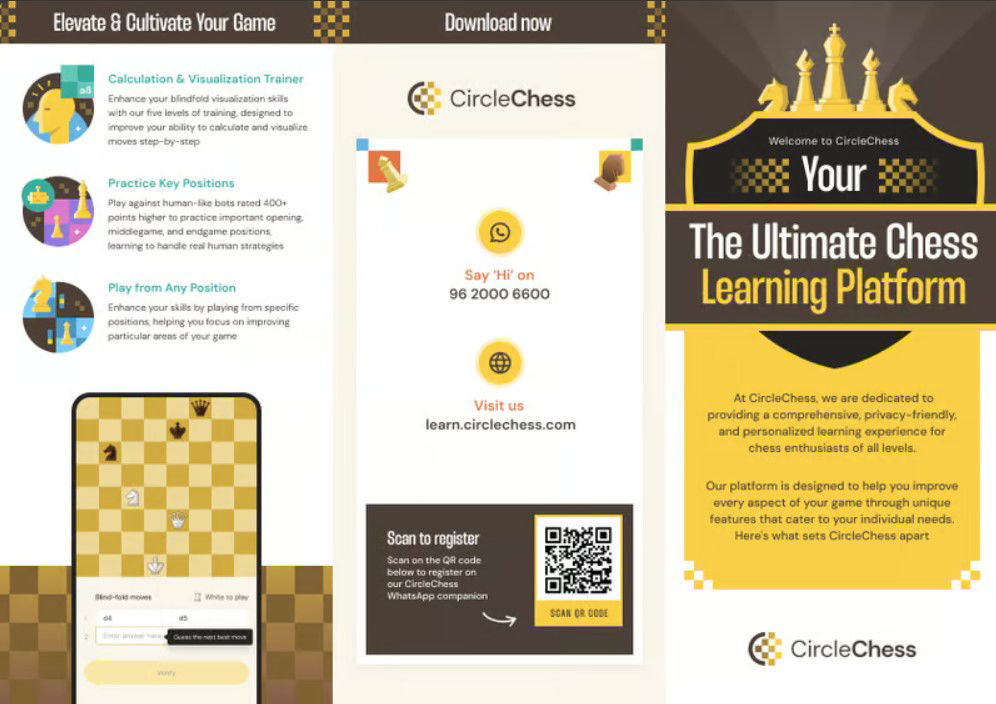
CircleChess runs the Caissa School of Chess, which isn’t limited to showing kids openings or puzzles. They focus on:
- Live Coaching: Kids learn directly from International Masters and Grandmasters who know how to guide young minds.
- Psychology Training: Handling nerves, staying calm under pressure, and bouncing back from losses are vital for life, not just chess.
- Puzzles and Play Options: Daily exercises sharpen focus and problem-solving skills.
- Community: Kids get to join tournaments, café meetups, and online clubs—making chess social, not lonely.
The idea is simple: train children to think better, make smarter choices, and grow more resilient. Whether a child aims to become the next Gukesh or just to be a confident student, CircleChess gives them that supportive ecosystem.
Real Stories: Decisions That Shape Futures
Tips for Parents to Encourage Chess Learning
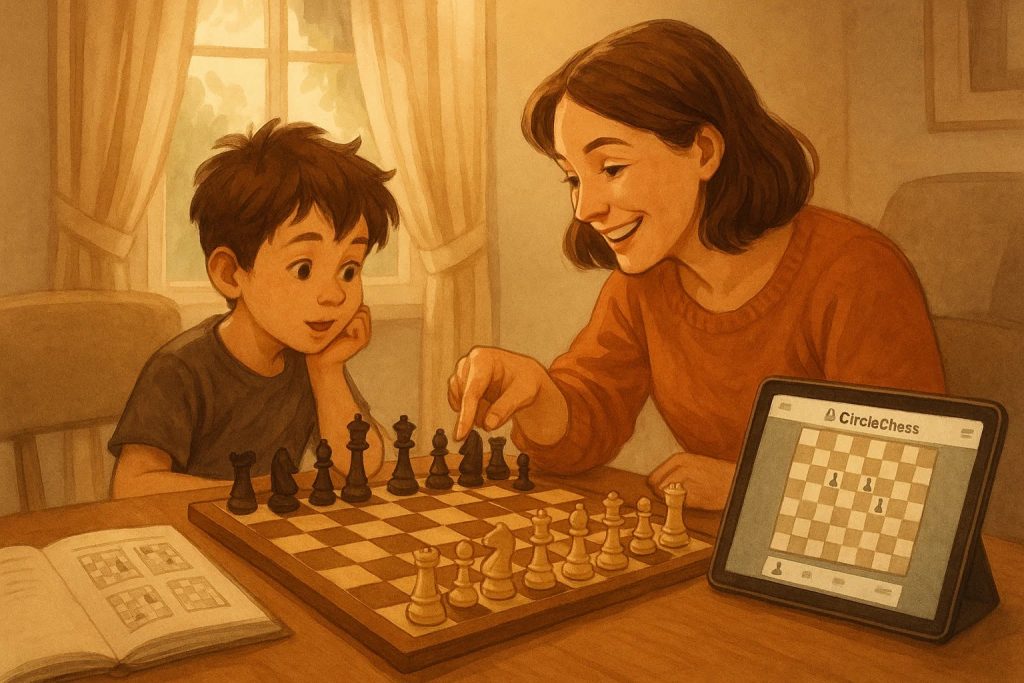
- Start with Fun: Begin with light games or simple puzzles so kids enjoy the process.
-
Celebrate Effort, Not Just Wins: Appreciate the way they think and explore moves,
instead of only focusing on victory. -
Join Communities: Platforms like CircleChess offer puzzles, events, and tournaments that make learning more engaging and social.
-
Keep It Balanced: Encourage them to learn at their own pace. Chess should build confidence, not create pressure.
Conclusion – Life Is a Series of Moves
In many ways, life itself resembles a chessboard. Every decision—big or small—creates the next chapter of our journey. Chess Improves Decision-Making by helping children (and even adults) develop the habit of pausing, weighing options, and moving forward with clarity and courage.
From Magnus Carlsen trusting his instincts in world championship battles, to India’s rising prodigies making headlines, to everyday children discovering patience and resilience—the lesson is the same: chess develops thinkers, dreamers, and doers.
If you’re looking for a simple yet powerful way to sharpen decision-making and calm the mind, chess is a perfect choice. And with communities like CircleChess bringing people together, it’s easier than ever to start.
Because at the end of the day, whether in chess or in life, it’s not about how many moves we make—it’s about making the right ones.