


Nowadays, we all make decisions on autopilot — which is why chess helps you make better decisions.
What to wear.
What to eat.
When to study.
Whether to say yes or no.
And then there are the bigger decisions — choosing a job, taking a risk, trusting someone, starting something new. These decisions are harder because life doesn’t give us a warning or a “blunder alert.” We figure things out as we go, and sometimes we
learn the hard way.
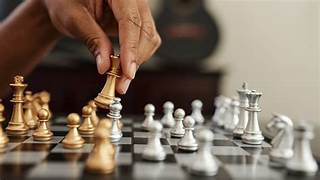
That’s where chess quietly becomes more than a game.
It trains the one skill most people wish they had:
the ability to think ahead.
Not ten steps ahead like a grandmaster — even just one extra step beyond impulse can change your life choices. Chess helps you make better decisions by teaching you to pause, evaluate, and choose clarity over reaction. Chess teaches exactly that.
The Habit of Pausing Before Acting
One of the first lessons every beginner learns is simple:
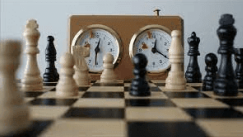
Don’t move fast. Think first.
Sounds basic, right? But this is something most people struggle with in real life. We react emotionally, rush decisions, say things we regret, or commit to things without thinking.
In chess, rushing almost always leads to a blunder. You push a pawn without checking… and suddenly your opponent traps your queen. A small moment of impatience creates a big problem.
Life works exactly the same way. Small choices — a message sent in anger, money spent without planning, skipping one important task — can create bigger consequences later.
Chess trains your mind to pause, breathe, and then act. That small pause is powerful.
Seeing More Than One Possibility
Have you seen young talents like Gukesh or Praggnanandhaa analyzing?
They don’t fixate on one move.
They look at options — A, B, C, sometimes even D.
They don’t attach emotionally to their “first idea.”
That mindset is gold in real life.
Imagine if you did the same:
Not taking the first job offer, but checking three more.
Not reacting to someone’s behavior, but thinking of alternative reasons.
Not choosing a study method, but exploring other approaches.
This is exactly how chess helps you make better decisions in everyday life.
Chess teaches you to look beyond the obvious.
One move doesn’t define the game.
One option doesn’t define the decision.
This habit helps in school, work, relationships — everywhere.
Understanding Risk Without Fear
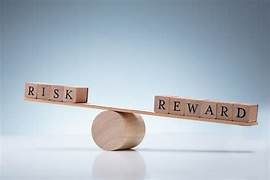
People often think chess players are calculating machines.
But really, they’re risk managers. They take risks — but educated ones.
A sacrifice in chess is not a gamble.
It’s a decision made after evaluating:
- What do I gain?
- What do I lose?
- What’s the best outcome?
- What’s the worst?
Real life is full of sacrifices —
moving to a new city, switching careers, investing money, giving time to something new.
Chess teaches you to manage risk without being scared of it.
You learn that:
Every risk has a logic.
Every decision has a trade-off.
And not taking a risk is also a decision.
Learning to Accept Mistakes and Move On
One painful truth:
Even great moves can lead to bad positions.
Even bad moves don’t immediately lose the game.
That’s life.
You will make mistakes.
You will misjudge situations.
You will lose things you thought you’d win.
The powerful part is this:
Chess teaches you to stay in the game.
You blunder a piece — fine. Play the next move better.
You lose today — tomorrow is a new game.
This mentality helps students during exams, adults during setbacks, and anyone dealing with stress.
As one coach said,
“Chess doesn’t teach you not to fall. It teaches you how to get up.”
Your Brain Learns to Plan Naturally
You don’t even realize it at first.
But after a few weeks of regular chess:
- You start planning your day better.
- You don’t forget small things as often.
- You organize your thoughts more clearly.
Why?
Because your brain is getting used to structure.
Chess quietly builds a planning habit — you think about consequences, recognize patterns, and anticipate problems before they hit.
This is exactly how chess helps you make better decisions.
This is especially powerful for teenagers.
Chess gives them an “inner compass” that guides studies, friendships, and real-life decision-making.
How CircleChess Supports This Growth
This is where platforms like CircleChess become genuinely useful.
It’s not just a place to play — it’s built to help players grow mentally, emotionally, and strategically.
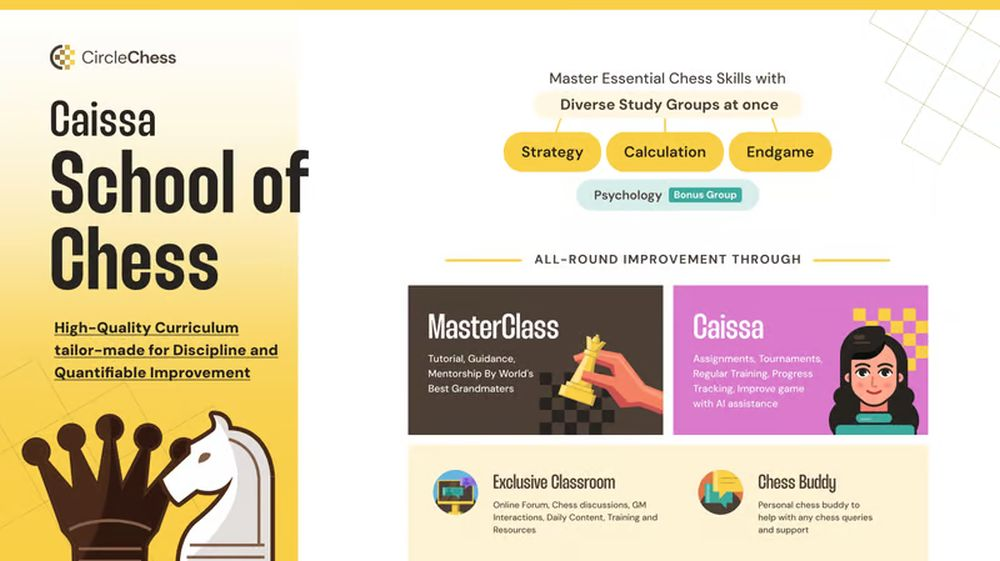
Caissa School of chess offers:
Live GM/IM classes through the Caissa School, where young learners understand why a
move works, not just what to play.
Mindset & psychology sessions, teaching kids how to think calmly under pressure, how to
make better decisions, and how to respond after losses.
Café tournaments, where anyone can join casual competitions, win prizes, and experience real decisionmaking under the clock.
Structured practice tools — puzzles, game reviews, progress charts — so both students and parents can
track improvement.
For anyone wanting to train their thinking — not just their rating — CircleChess is one of the few platforms where
learning feels natural, guided, and community-driven.
The Real Lesson: Decisions Define You
Chess doesn’t make you perfect.
It doesn’t make life easier.
But it teaches you something priceless:
Your decisions shape your path.
Whether it’s a pawn move or a life choice, thinking
ahead helps you:
- avoid avoidable problems,
- stay calm in chaos,
- and act with clarity instead of panic.
That’s a skill everyone needs — students, parents, working adults, anyone. And chess, in the quietest way possible, builds that skill move by move. So if you ever feel stuck or confused, try sitting with a chessboard. Think, pause, try possibilities, and make a move. Because in the end, life is no different. You don’t control everything, but you always control your next move.