

Chess is a game where the initial moves can influence everything that follows. A good
opening doesn’t guarantee victory, but it lays a solid foundation for the middlegame
and improves the chances of success. Among the many openings in chess, few have
endured as long as the Giuoco Piano. Known as “The Quiet Game” in Italian, this
opening has been played for centuries and still appears in games at every level, from
beginners learning the basics to world champions competing on a grand stage.
Despite its calm name, the Giuoco Piano is far from dull. It blends simple opening
principles with rich strategic ideas, tactical chances, and long-term planning. Rather
than depending on surprise attacks or complex traps, it teaches players how to
develop their pieces cohesively, control the center, and gradually gain an advantage.
For anyone wanting to deepen their chess understanding, learning the Giuoco Piano is
a worthwhile investment.
What Is the Giuoco Piano?
The Giuoco Piano begins with the moves:
- e4 e5
- Nf3 Nc6
- Bc4 Bc5
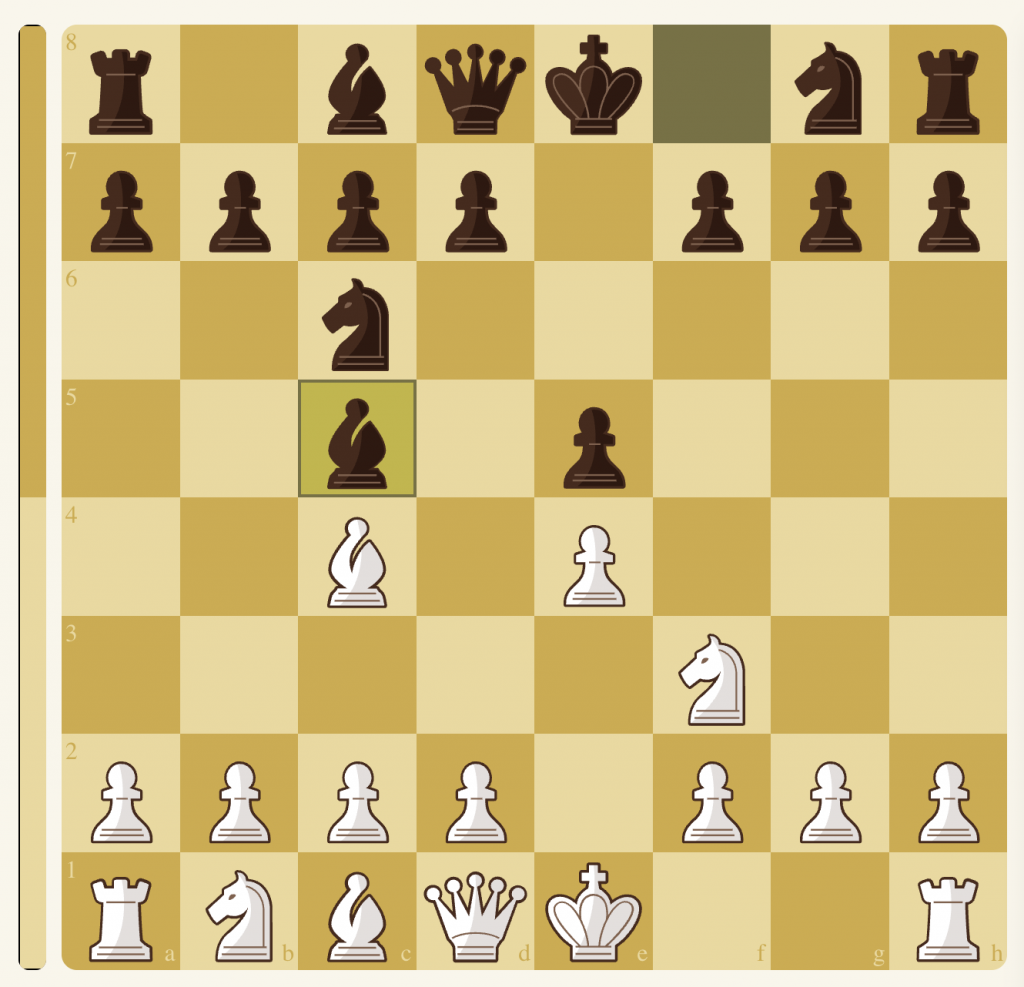
players contend for control of the center while developing their knights and bishops
naturally. Unlike aggressive openings that seek immediate attacks, the Giuoco Piano
promotes balanced development and careful planning.
The opening has been studied for hundreds of years, yet it remains relevant today
because of its flexibility. Modern grandmasters continue to use it in elite tournaments,
showing that simple opening principles never lose their relevance.
A Brief History
The Giuoco Piano dates back to the sixteenth century, making it one of the oldest
documented chess openings. Italian masters studied it long before computers were
part of chess preparation. Their goal was straightforward: develop pieces effectively,
protect the king, and create chances through solid positional play.
Over time, many famous players have contributed their ideas to the opening. Although
chess theory has changed significantly, the Giuoco Piano remains popular because it
encourages creativity while maintaining solid fundamentals.
Why Beginners Should Learn It
Many new players spend hours memorizing opening traps, hoping for quick victories.
Unfortunately, this approach often leads to issues once opponents sidestep those
traps. The Giuoco Piano offers something much more valuable— it teaches players
how to think rather than what to memorize.
By playing this opening regularly, beginners naturally learn several essential chess
principles:
- Develop pieces before launching attacks.
- Fight for the center.
- Castle early for king safety.
- Connect the rooks.
- Avoid moving the same piece repeatedly without a reason.
These principles remain useful no matter which opening you choose in the future.
Understanding the Main Ideas
The beauty of the Giuoco Piano lies in its flexibility. White usually develops smoothly
before deciding whether to attack on the kingside, expand in the center, or improve
piece placement. Black aims to equalize while being ready to counterattack when
White becomes careless.
Instead of forcing immediate tactical complications, both players patiently improve
their positions. This often leads to strategic battles where planning takes precedence
over memorizing moves.
The opening favors players who understand concepts over those who merely
remember long variations.
Typical Plans for White
White’s main aim is to create a comfortable position while keeping future attacking
chances alive.
One common plan is to castle early, move the rook to the open file, and gradually
prepare the pawn advance d4 to challenge the center. White may also reposition
pieces to stronger squares before launching an attack against Black’s king.
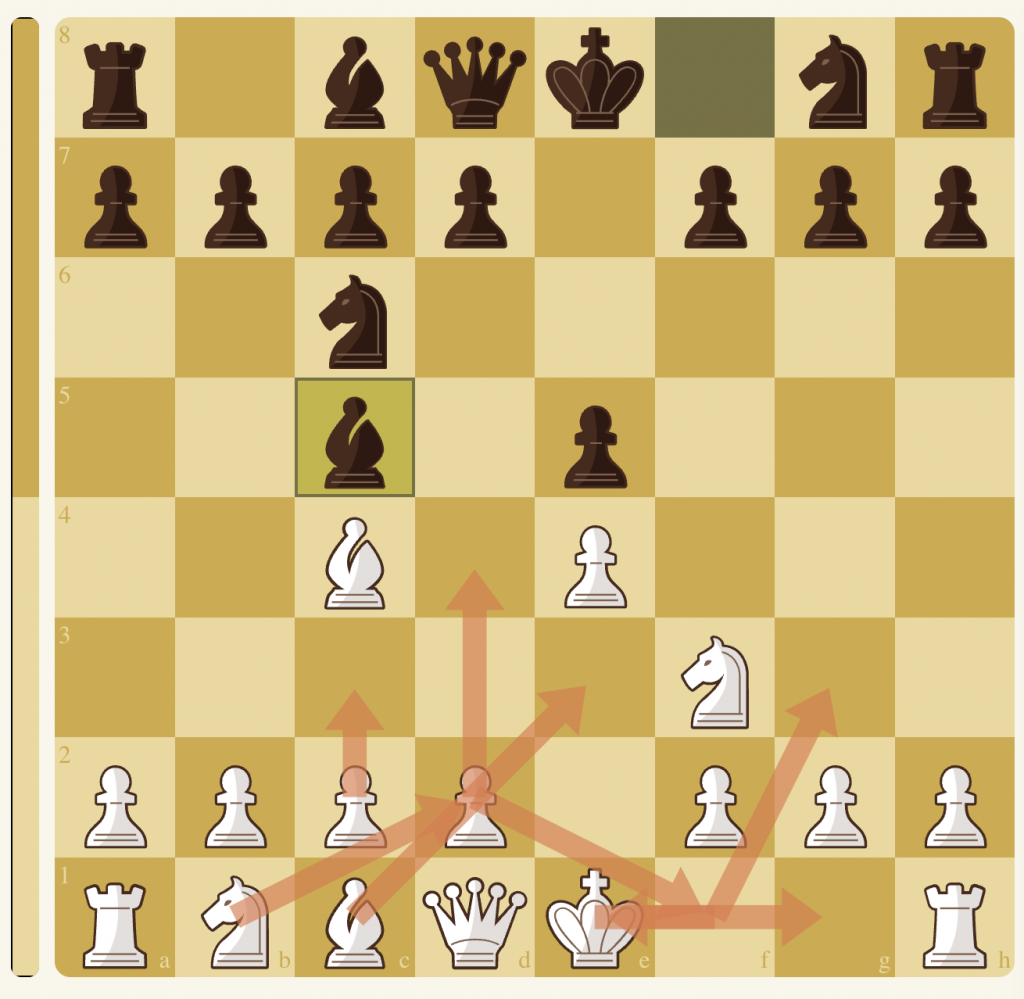
first.
Typical Plans for Black
Black’s goal is not just to defend but to develop actively while preventing White from
gaining too much space.
Smooth development, timely castling, and preparing central counterplay are strategic
ideas. Black also looks for chances to exchange pieces favorably and challenge
White’s center before initiating any active operations.
A well-played Giuoco Piano often leaves both sides with equal chances, making
careful decision-making crucial.
Advantages of the Giuoco Piano
One reason this opening has lasted for centuries is its impressive balance between
simplicity and depth.
Some of its biggest strengths include:
- Easy for beginners to learn.
- Encourages proper opening principles.
- Flexible plans instead of forced variations.
- Suitable for rapid, classical, and online chess.
- Used successfully by club players and grandmasters alike.
- Leads to rich middlegames filled with strategic ideas.
Instead of depending on tricks, players develop genuine chess understanding that
remains useful throughout their growth.
Common Mistakes to Avoid
Although the opening is straightforward, many players lose their advantage by making
avoidable mistakes.
The first mistake is attacking before completing development. Launching an early
attack while pieces remain on their starting squares usually gives the opponent time to
organize an effective defense.
Another mistake is delaying castling. King safety should rarely be overlooked just
because the position seems quiet.
Many beginners also exchange pieces automatically without considering whether the
trade actually improves their position. Every exchange alters the character of the game
and should serve a purpose.
Finally, some players focus only on their own ideas without considering their
opponent’s plans. Good chess involves balancing both attack and defense.
How to Improve With This Opening
Improvement comes through understanding, not memorization.
Study complete games played by strong players. Observe how they position their
pieces, prepare pawn breaks, and convert small advantages into winning setups.
After every game, review your opening. Reflect on where you deviated from theory,
whether your development was efficient, and what better plans existed. Over time,
these reviews become one of the quickest ways to improve.
Advanced Ideas in the Giuoco Piano
Once you become familiar with the basic moves, the Giuoco Piano reveals its true
depth. At higher levels, the opening is less about memorizing variations and more
about grasping the position. Strong players constantly ask questions like: Which piece
should I improve? Where should my pawns go? What is my opponent planning?
One common strategic idea is preparing the d4 pawn break. This move challenges
Black’s central control and can open lines for White’s bishops and rooks. However,
timing is crucial. Playing d4 too early may create weaknesses, while waiting for the
right moment often secures a lasting advantage.
Black, in turn, seeks chances to challenge White’s center with moves like …d5 or to
improve piece activity before launching counterplay. The positions that arise reward
patience, careful calculation, and positional understanding.
Tactical Themes Every Player Should Know
Even though the Giuoco Piano is seen as a positional opening, tactics are always
present. Players should become familiar with several recurring themes.
Forks involving the knight often arise when pieces are developed naturally. Pins on the
knight defending the king can create tactical chances. Discovered attacks, double
attacks, and sacrifices on f7 or f2 may occur when one side overlooks king safety.
Recognizing these patterns becomes much easier through regular practice rather than
rote memorization.
Famous Players Who Used the Giuoco Piano
The Giuoco Piano has been favored by many great players throughout chess history.
Legendary champions have chosen it because it offers flexibility while avoiding
unnecessary risks.
Modern grandmasters continue to use it in elite tournaments because it allows them
to outmaneuver opponents through superior understanding instead of relying solely on
opening preparation. This shows an important lesson: even in today’s computer-driven
chess world, strong fundamentals remain extremely valuable.
Practical Tips for Tournament Players
If you plan to use the Giuoco Piano in competitive games, preparation should extend
beyond memorizing moves.
Spend time analyzing your own games after every tournament. Identify where you felt
uncomfortable, study those positions, and build your understanding. Solve tactical
puzzles that arise from open setups, and practice against opponents with different
playing styles.
It can also help to play training games starting from the Giuoco Piano position.
Repeating similar structures allows you to recognize ideas much faster during real
games.
Perhaps the most important advice is to stay patient. Many tournament games are not
decided in the opening but through better choices in the middlegame and endgame.
How CircleChess Helps Players Master Their Openings
Every chess player eventually learns that simply watching videos or memorizing
opening moves isn’t enough. Real improvement comes from understanding why each
move is made and how those ideas connect to the entire game. This is where
CircleChess makes a significant difference.
CircleChess focuses on building solid foundations instead of encouraging players to
memorize long opening lines. When learning an opening like the Giuoco Piano,
students learn the purpose behind each move, the strategic plans for both sides,
common tactical patterns, and the typical mistakes to avoid. This approach helps
players feel confident even when opponents choose unexpected variations.
Another valuable aspect of CircleChess is its focus on game analysis. After playing
practice games or tournaments, students