

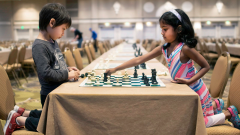
If you’re a parent, you know the struggle—finding activities that are actually useful for your child, not just something to pass the time. Sports are great, music is great, but sometimes you want more. You want something that stretches their mind, teaches them patience, planning,
decision-making… something that sticks. And honestly? Chess does all of that on a 64-square board. Sounds small, right? But don’t underestimate it. Every pawn, every bishop, every knight move comes with lessons for life—thinking ahead, handling mistakes, and even
controlling impulses.
I remember reading about Magnus Carlsen’s visit to India. He met a three-year-old boy who already had a 1600 rating! Imagine that—a toddler thinking faster than many adults. Magnus said he was genuinely shocked, and honestly, I don’t blame him. And it’s not an isolated story. Across India, kids under ten are breaking into national and even international rankings. This isn’t just about talent; it’s exposure, proper guidance, and starting early. For parents, that’s a wake-up call: chess can change the trajectory of a child’s mind if started young.
Chess Shapes the Mind in Ways Nothing Else Can

You might think, “It’s just a game.” But here’s the thing: Chess trains your brain in ways nothing else really does. Kids who play regularly improve memory, focus, and problem-solving skills. Visualizing moves ahead? That’s planning and foresight, which translates directly into school projects, math, or even everyday decisions.
Think about it—if your child can calculate five moves ahead on a chessboard, they’re learning to plan life ahead too. Time management, weighing options, and anticipating results—they’re all tiny life lessons wrapped up in a fun activity. And the best part? They often don’t even realise they’re learning.
CircleChess brings this transformation to life by turning every game into a brain-boosting adventure. Through fun challenges, puzzles, and interactive lessons, kids develop critical thinking, foresight, and decision-making skills without even realising it. The platform encourages them to plan moves, evaluate options, and think strategically—skills that naturally spill over into schoolwork, problem-solving, and everyday life. With engaging gameplay, online tournaments, and a supportive community, CircleChess makes learning chess exciting while shaping young minds for success.
Life Lessons Hidden Between These Games
Chess is one of the few games that teaches emotional resilience. Losing a game, especially a close one, can sting. But that sting is useful. It teaches kids to pause, reflect, adjust, and try again. Mistakes become lessons, not failures. Patience comes naturally, too—because a hasty move can ruin the whole game, just like rash decisions in life.
Impulse control, strategic thinking, learning from errors… all these skills are subtle but powerful. And the earlier kids pick them up, the better. By the time they’re teens, these lessons have already shaped their mindset.
The World Is Watching Young Talent
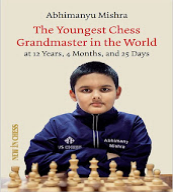
Chess is gaining attention globally. Remember Magnus’s visit? That three-year-old kid isn’t just impressive locally; it made headlines in multiple interviews. The BBC recently reported on India’s surge of young chess talent, highlighting kids under 10 competing in national and international arenas.
Abhimanyu Mishra, the youngest Grandmaster from India, made headlines by breaking records and inspiring a new generation of chess prodigies
Parents investing in their child’s chess education aren’t just teaching a game. They’re nurturing the next generation of thinkers and problem-solvers. And honestly, it’s exciting to see children surprise everyone—coaches, parents, even world champions.
Why Chess Stands Out from Other Activities
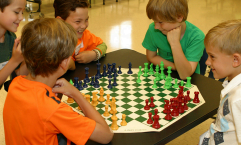
Let’s be honest—sports teach physical strength, music teaches creativity, school teaches knowledge. Chess? It blends them all. Every match is unique. Every opponent is different. Chess teaches adaptability, critical thinking, and innovation. Kids learn to weigh risks, anticipate consequences, and make informed choices.
Compare this to rote learning—memorising formulas or dates doesn’t train thinking. Chess trains decision-making under pressure, problem-solving on the fly, and handling wins and losses gracefully. It’s like giving kids a mini-life simulator where the stakes are small but lessons are huge.
CircleChess takes this learning experience further by turning every game into an interactive lesson in strategy and adaptability. With tailored challenges, real-time feedback, and engaging online play, kids practice critical thinking, risk assessment, and creative problem-solving in a safe, fun environment. Each match on CircleChess is an opportunity to think ahead, adjust strategies, and learn from mistakes—skills that go beyond the board and into everyday life—making chess not just a game, but a playground for the mind.
How to Get Kids Started Without Overwhelming Them
You don’t have to enroll them in grandmaster training on day one. Start small. Play casually, do small puzzles, and watch games together. Make it fun. Let them fall in love with the challenge first.
And when you’re ready to go further, that’s where CircleChess comes in. Their Caissa School of Chess isn’t just about openings and tactics. They focus on building a chess mindset:
- Live Coaching: Experienced GMs and IMs guide kids, explain strategies, and show how pros think.
- Psychology Sessions: Kids learn to manage nerves, stay calm, and recover from mistakes.
- Practice Tools: Structured exercises, visualization drills, and progress trackers help practice feel meaningful.
- Community: Online tournaments, offline meetups, and casual café events let kids connect with peers, make friends, and enjoy chess socially.
Imagine your child learning in the same ecosystem that nurtured prodigies like Gukesh and Vidit. The motivation alone is incredible.
Real-Life Success Stories That Speak Louder Than Words
Theory is one thing, but real examples hit harder. Across India, kids as young as five are winning state and national tournaments. One story that sticks with me is a seven-year-old girl from Chennai who beat players three times her age. Parents said that beyond winning, she learned focus, patience, and confidence—skills that also helped her in school.
Globally, more schools are incorporating chess into their curricula because they observe measurable improvements in attention, memory, and reasoning. Chess doesn’t just make kids think—it makes them independent thinkers, problem-solvers, and calm decision-makers.
Quick Tips for Parents
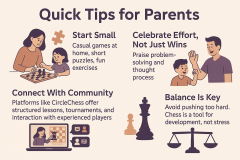
- Start Small: Casual games at home, short puzzles, fun exercises.
- Celebrate Effort, Not Just Wins: Praise problem-solving and thought process.
- Connect With Community: Platforms like CircleChess offer structured lessons, tournaments, and interaction with experienced players.
- Balance Is Key: Avoid pushing too hard. Chess is a tool for development, not stress.
Why CircleChess Makes a Difference
CircleChess isn’t just another online chess platform. Through Caissa School of Chess, kids learn both strategy and mindset.
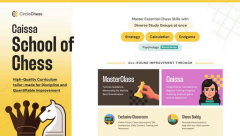
- Live Coaching: GMs and IMs guide kids personally.
- Psychology Sessions: Students learn to manage nerves and recover from mistakes.
- Practice Tools: Visual exercises and drills build habits, not just play games.
- Community: Online and offline events let kids meet peers, test skills, and feel the joy of shared learning.
It’s not about pushing kids to win; it’s about giving them the tools to think, plan, and grow—both on and off the board. If your child dreams of competing one day in World Cups or just wants to enjoy chess in a structured, supportive way, this is where it starts.
Conclusion: More Than Just a Game
Chess is more than pieces and boards. It’s patience, foresight, resilience, and strategy all wrapped in one. From toddlers astonishing Magnus Carlsen to structured learning at CircleChess, it’s clear: chess shapes minds, builds character, and teaches life skills.
For parents, investing in chess isn’t just about nurturing a hobby. It’s about preparing children for challenges, helping
them think critically, and giving them confidence. And with platforms like CircleChess, it’s easier than ever to start expert guidance, structured practice, and a vibrant community make all the difference.
In chess, as in life, the lessons learned today can create champions tomorrow. And the beauty is—they’re not just playing a game—they’re learning how to think, adapt, and grow.