

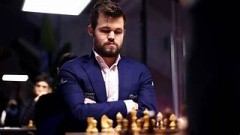
Calmness is not the absence of chaos—it’s the art of walking right through it without losing your balance. The more I look around at people who thrive under pressure, the clearer it becomes: calmness is a trained skill, not a lucky trait. And one of the biggest Benefits of Chess is exactly this — learning how to stay steady when the pressure rises.
So let’s look at some examples. From a chess prodigy who stuns the world, to a cricket captain who rewrote finishing, to world figures and even astronauts. And at the end, we’ll bend the chessboard into a circle and see how calmness plays out there too.
When the clock ticks, Gukesh doesn’t flinch

But watch Dommaraju Gukesh. He sits there—steady posture, calm expression, no nervous tapping or restless shifting. Just quiet focus. The teenager who shocked the chess world in 2024 by winning the Candidates didn’t just win with moves; he won with presence.
What I find fascinating isn’t only his calculation, but his ability to dissolve pressure. Opponents often look at him and realize—this guy isn’t cracking, no matter what I throw. That calmness itself is a weapon. And that lesson doesn’t belong only to chess players.
\
Dhoni: the captain who never hurried
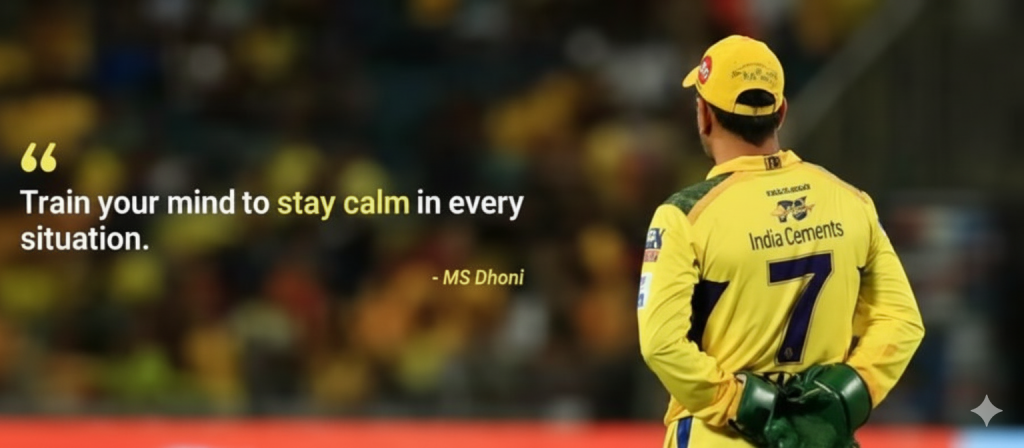
Dhoni proved something deeper: the calmest person in the arena doesn’t only survive pressure—they bend it in their direction.
Calmness in the wider world
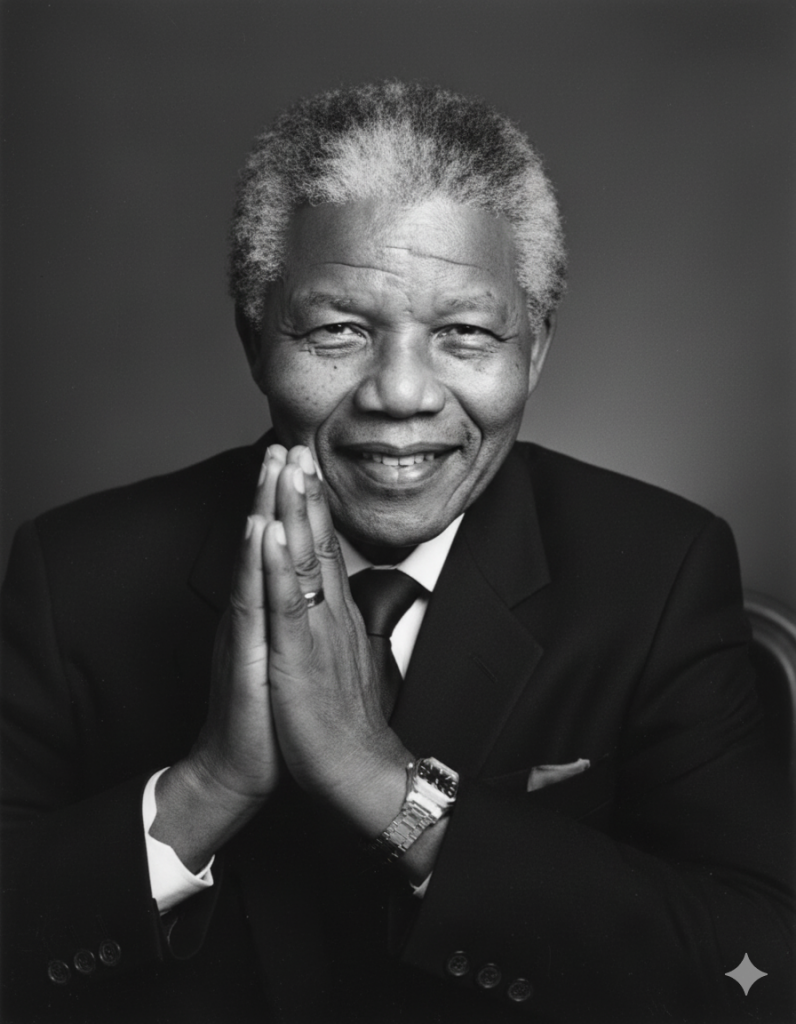
Think about Nelson Mandela. Locked up for nearly 27 years. Every reason to explode in anger when he was freed. Yet he walked out with dignity and patience, not bitterness. That calmness gave South Africa a chance to heal instead of burning further—a perfect example of the Benefits of Chess, teaching patience and strategic thinking under pressure.


Different people. Different fields. But one connecting string: staying calm under fire opens doors, panic will always slam shut…
What’s the takeaway?
So, what can we learn here? Calmness doesn’t fall from the sky. It’s not some mystical gift. It comes from habits:
Preparation – Gukesh putting in endless study hours. Dhoni practicing for years in the nets. Mandela reading, learning, and shaping his mind in prison.
Detachment – They didn’t cling to fear or outcome. They focused on what was in front of them, one step at a time.
Perspective – They understood that one match, one move, one crisis never defines the whole story.
Calmness is not magic. It’s trained, like a muscle.
CircleChess: training calmness

CircleChess isn’t about changing the board into something strange. It’s about changing the way you grow as a player. It gives you tools and guidance that actually help you stay composed when things get tough.
���� Caissa School of Chess
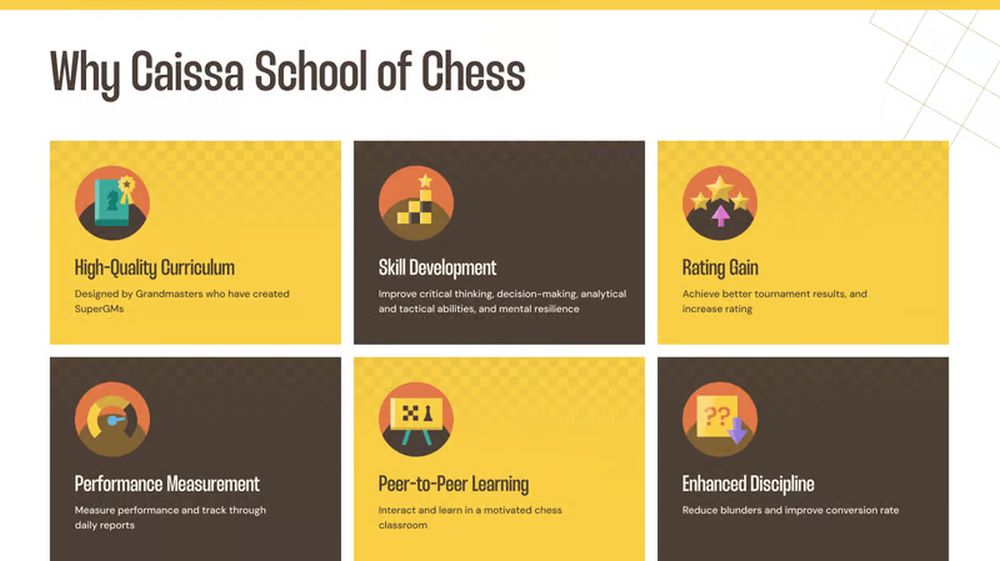
�� GM & IM Coaching
It’s not just theory dumps. You actually get live classes with Grandmasters and International Masters, who explain the “why” behind the moves. They show you how strong players think, not just what they play. And trust me, that makes a huge difference when you’re stuck in your own games.
�� Mental Coordination
One thing I really liked is how CircleChess blends chess with mental coordination training. One of the key Benefits of Chess is developing clarity under pressure, and CircleChess takes this further by tying psychology and chess together. You learn how to think better in time pressure, make decisions when your position looks shaky, and stay focused even when the environment gets noisy or distracting.
�� Practice Tools

Here’s something exciting. Circle Chess isn’t just a fun idea; it’s also training for the mind. On the platform, you can actually learn under the guidance of grandmasters. Gukesh himself, along with other top players, shares how to handle tense situations on the board.
Think about it: what do you do after a blunder? Most players tilt, panic, and collapse. But champions? They breathe, reassess, and fight back. That’s one of the features Circle Chess brings—you don’t just learn openings and tactics, you learn mindset.
Access to grandmaster coaching sessions.
Special courses on handling pressure positions.
Exercises that sharpen focus, even when you’re behind.
A completely new board format that pushes you out of comfort zones.
So if you want to build calmness into your thinking, CircleChess ismore than a game. It’s training ground for resilience, decision-making, and composure.
Conclusion :
And for you? If you want to build that same calm, you don’t have to wait for a World Cup final or a space mission. You can start with the board, the circle, and the guidance of those who live this every day. CircleChess trains that mindset—quiet focus, composed thinking, and clarity when the world rushes. Whether it’s chess, cricket, business, or life, one line keeps repeating itself.