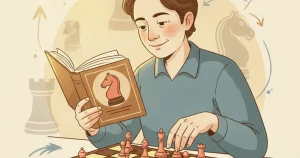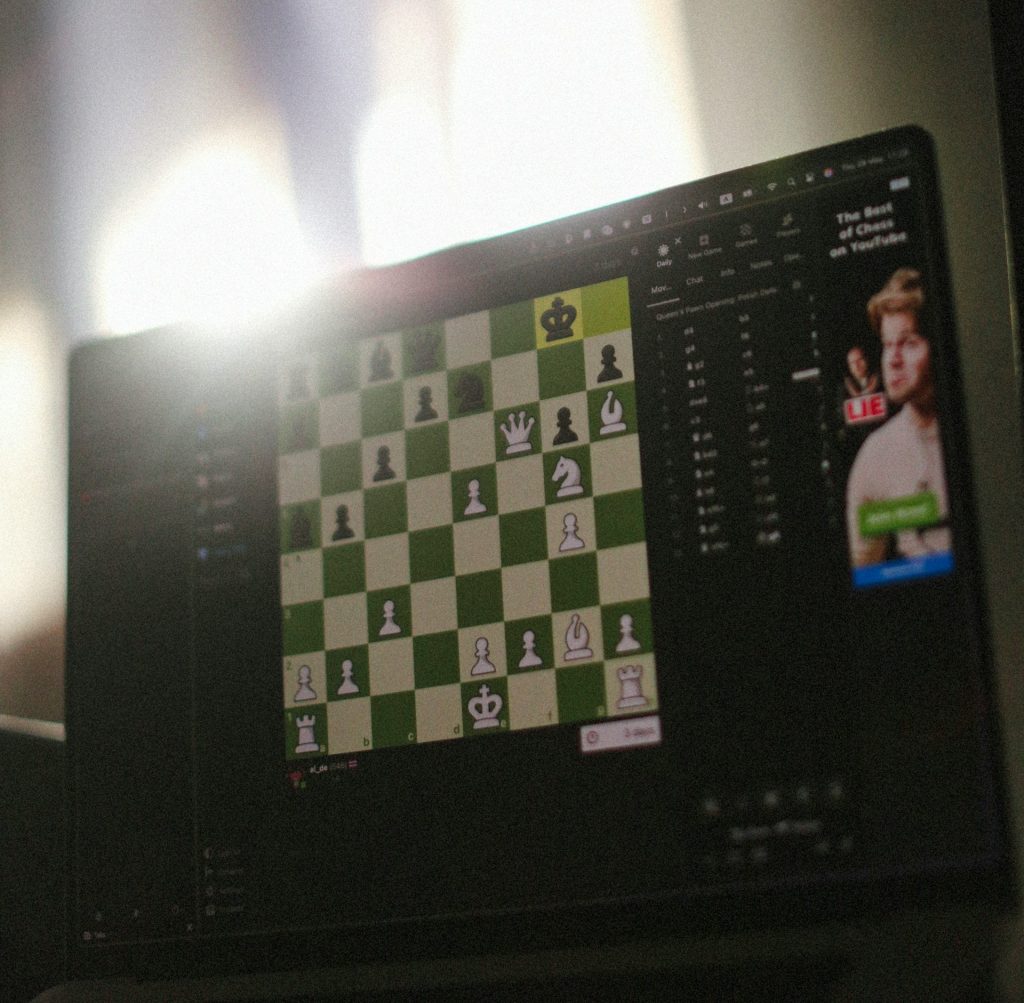

If you’ve spent any time improving at chess over the past few years, you’ve probably never had more learning opportunities available than you do today.
A single evening can include a grandmaster stream, a tournament recap, an opening lesson, and several educational videos from strong players explaining their thought process. For chess enthusiasts, it’s a fantastic time to be part of the game.
Yet despite having access to more chess content than ever before, many players still find themselves asking the same frustrating question:
“Why am I not improving?”
It’s a topic that comes up regularly within the CircleChess community. Players often arrive feeling confused because, from their perspective, they’re doing everything right. They’re watching educational content, following top-level events, and spending more time around chess than they ever have before.
The problem is that being surrounded by chess and actively training for chess are not always the same thing.
Watching strong players can absolutely help your development. The issue is that many players unknowingly stop at the watching stage and expect improvement to happen automatically.
In reality, improvement begins when observation turns into action.
The Golden Age of Chess Content
There has never been a better time to learn chess.
Not long ago, improving players depended heavily on books, local clubs, or occasional coaching sessions. Today, the amount of educational content available online is staggering.
Players can watch elite tournaments live, learn opening ideas directly from grandmasters, study famous games, and access powerful analysis tools from almost anywhere in the world.
This accessibility has been incredibly positive for chess. It has introduced millions of people to the game and made high-quality instruction available to players regardless of location.
However, it has also created a challenge that many developing players don’t immediately recognize. When information becomes easy to access, it’s easy to mistake consuming information for learning.
A player might spend hours watching excellent instructional content and finish the day feeling productive. They probably learned several new ideas along the way.
But learning an idea and being able to apply it during a real game are very different things.
Why Watching Feels Like Improvement
One reason this issue is so common is that watching strong players genuinely feels educational.
When a grandmaster explains a position, the logic often seems clear. The plans make sense. The tactical ideas appear obvious once they’re pointed out. By the end of the lesson, it can feel as though you’ve fully understood the concept.
Then a similar position appears in one of your own games. Suddenly, the correct plan isn’t so obvious anymore.
This experience is familiar to many players because understanding a concept while someone else explains it is fundamentally different from discovering that concept yourself under practical conditions.
Inside CircleChess discussions, players often share moments where they remembered seeing a similar idea in a lesson but couldn’t find it during the game itself. The lesson wasn’t wasted. The knowledge existed somewhere in the background.
The challenge was turning that knowledge into a usable skill. That’s where real improvement begins.
The Difference Between Recognition and Understanding
Imagine watching a puzzle video where a strong player demonstrates a tactical combination. As they explain the solution, every move makes perfect sense:
- The attack looks logical.
- The sacrifice seems obvious.
- The winning idea appears straightforward.
However, if that same position appeared during one of your games without any hints, would you find the combination yourself?
Sometimes the answer is yes. Often, the answer is no.
This gap between recognizing a solution and discovering it independently is one of the biggest obstacles in chess improvement.
Strong players aren’t strong simply because they’ve seen more ideas. They’re strong because they’ve trained themselves to recognize those ideas in real time. That ability comes from practice, repetition, and experience — not passive observation.
Watching can introduce concepts. Training is what turns those concepts into habits.
Why Strong Players Make Chess Look Easier Than It Is
Another reason many players overestimate the value of watching is that strong players often make difficult decisions appear effortless.
A grandmaster might evaluate a complicated position in a matter of seconds and confidently choose the correct plan. To the viewer, it can seem natural.
What we don’t see is the thousands of hours of experience behind that decision:
- Years of tactical training.
- Hundreds of endgames.
- Countless analyzed games.
- A deep library of patterns built through practice.
The move itself is only the visible result. The real work happened long before the game began.
This is something coaches frequently emphasize in structured learning environments such as Caissa School of Chess. The goal isn’t merely to observe strong moves. The goal is to understand the thinking process that produced those moves and then develop that process through your own training.
Without active practice, even the best lesson can remain little more than interesting information.
Turning Chess Content Into Real Improvement
The good news is that watching strong players can still be extremely valuable. The key is changing how you engage with the content.
Instead of treating lessons as entertainment, treat them as opportunities for active learning:
- Pause videos before the instructor reveals the answer.
- Calculate positions on your own.
- Take notes.
- Test ideas in your games.
- Review whether the concepts actually appeared in your play.
Many of the most consistent improvers within the CircleChess community follow a similar approach. They don’t simply consume chess content. They interact with it.
A single lesson can become a training session. A tournament game can become a study exercise. An instructive position can become a practical skill.
Over time, this active approach creates much deeper understanding than passive viewing alone.
The Role of Community in Modern Chess Learning
One of the biggest advantages available to players today is the ability to learn alongside others.
Chess has traditionally been viewed as an individual game, but modern communities have shown how valuable collaborative learning can be. Players can:
- Share games.
- Discuss mistakes.
- Compare ideas.
- Ask questions.
- Receive feedback.
Sometimes a weakness that feels invisible to a player becomes obvious when viewed from another perspective.
Learning Together
This is one reason communities like CircleChess continue to grow. Beyond providing access to resources and discussions, they create opportunities for players to engage with their own learning more actively. Improvement becomes less about collecting information and more about understanding how that information applies to real games.
That shift often makes a significant difference.
Final Thoughts
Watching strong players is one of the best ways to stay inspired, learn new ideas, and deepen your appreciation for chess. But inspiration alone doesn’t create improvement.
Improvement comes from applying what you’ve learned, analyzing your mistakes, and building practical skills through consistent effort.
The strongest players aren’t simply those who have watched the most chess content. More often, they’re the players who have found ways to turn knowledge into action.
As modern chess education continues to evolve, players have access to more information than ever before. The challenge is no longer finding lessons. The challenge is making those lessons part of your game.
And perhaps that’s the difference between enjoying chess content and genuinely growing as a chess player.