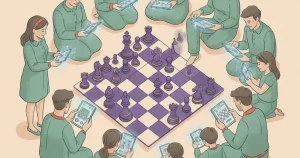
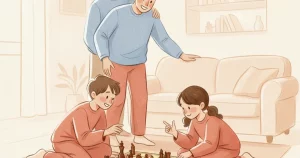
Most people think chess is a lonely game.
– One board.
– Two players.
– Silence.
And yes, during the game, it is individual. But improvement in chess is rarely individual. Behind every strong player, there is usually a system — training partners, coaches, tournaments, discussions,
rivalries, feedback. Chess may be played alone. But it is learned in community.
The Myth of the Self-Taught Genius

There’s a romantic idea in chess — the lone player who studies alone, discovers everything by himself, and becomes strong through pure will. In reality, that’s rare.
Even top grandmasters:
- Train with seconds.
- Analyze with peers.
- Discuss ideas.
- Compete regularly.
- Get feedback constantly.
Improvement accelerates when you are exposed to other minds.
Why Playing the Same Opponents Helps
When you play within a community — whether in a club, academy, or tournament circuit — something interesting happens. People start knowing your style. They know:
- You over-attack.
- You rush in time trouble.
- You avoid endgames.
- You struggle against positional setups.
And they exploit it. That forces you to fix your weaknesses. If you only play random online opponents, you can hide inside anonymity. No one tracks your patterns. In a community, your habits are visible. And that visibility pushes growth.
The Power of Post-Game Discussion

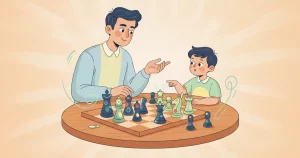
One of the most underrated parts of chess improvement is post-game analysis with others. After a game, sitting with your opponent and asking: “What were you planning here?” “I thought this move worked because…” That exchange teaches you perspectives you might never see alone. Strong players often improve faster because they analyze with stronger players. Community multiplies understanding.
Tournament Culture Builds Strength
Improvement doesn’t only happen during study. It happens during real competition. When you regularly play tournaments:
- You manage nerves.
- You handle time pressure.
- You prepare openings seriously.
- You deal with losses maturely.
Tournament culture shapes serious players.
But many beginners struggle to even find the right events to start with. That’s where having access to an organized ecosystem makes a difference. For example, platforms like CircleChess make tournament discovery simple — through their event browser and even WhatsApp-based registration system, players can explore upcoming events and choose tournaments that match their level. When tournaments become accessible, improvement becomes consistent.

Motivation Is Stronger in Groups
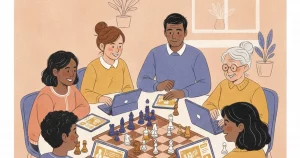
Training alone requires high discipline. Training within a community creates natural motivation. If your training partners are solving tactics daily, you are more likely to solve tactics. If your peers are preparing seriously for tournaments, you prepare too. Healthy competition raises standards. Community creates accountability.
Learning From Different Styles
Within a chess community, you face different kinds of
players:
- The tactical attacker.
- The slow positional grinder.
- The endgame expert.
- The time-pressure specialist.
- Each style forces you to adapt.
If you only train alone or against similar opponents, your chess becomes one-dimensional. Community forces versatility.
Coaching + Community = Structured Growth
A coach gives direction. A community gives repetition. For example, structured learning environments like Caissa School focus on both instruction and interaction. You don’t just learn concepts — you test them in practice sessions, events, and competitive formats.
That mix matters. Because learning something once is easy. Applying it repeatedly under pressure is harder. Community gives that repetition.
Café Tournaments and Local Events Matter

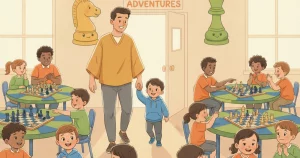
Not every player starts in national championships. Local tournaments, café events, and small competitive circuits play a huge role in development. They provide:
- Low-pressure environments.
- Regular competition.
- Familiar opponents.
- Practical experience.
Some structured ecosystems, including CircleChess, actively support this by organizing café tournaments and club-based competitions. These environments are especially useful for players transitioning from casual online play to serious over-the-board chess. It’s easier to grow when competition feels accessible.
Community Also Builds Psychological Strength

When you lose in isolation, it feels heavier. When you lose inside a community, you realize: Everyone loses. You see stronger players lose too. You see how they respond. You see how they recover. That normalizes setbacks. Chess improvement isn’t only technical.It’s psychological. Community stabilizes both.
What Happens Without Community?
Players without community often:
- Play only blitz.
- Avoid reviewing losses.
- Change openings constantly.
- Lose motivation after rating drops.
- Plateau for long periods.
Not because they lack talent. But because they lack structure and feedback. Improvement becomes random.

How Platforms Like CircleChess Support Chess Communities
Today, many chess communities also exist online, which makes it easier for players to connect, learn, and compete even if they don’t have a local club nearby. Platforms like CircleChess try to build this kind of environment where players are not training in isolation but as part of a wider chess network.
Learning Together Through Caissa School of Chess
Players can attend structured lessons and interact with coaches and other students. Learning alongside others often leads to discussions about positions,
ideas, and mistakes, which helps concepts stick better than studying alone.
Game Analysis and Feedback
Through tools like Caissa AI, players can review their games and identify important mistakes. When these reviews are discussed with coaches or fellow players, it creates a shared learning experience rather than a solo activity.
Finding Tournaments and Events
One challenge for many improving players is simply knowing where to play. CircleChess provides a tournament discovery system where players can explore upcoming events and register easily, helping them stay active in the competitive circuit.
Community Events Like Café Tournaments
Smaller tournaments and café events give players a friendly environment to meet other chess enthusiasts, practice over-the-board play, and gradually gain tournament experience.
Connecting Players, Coaches, and Organizers
Platforms like CircleChess also help bring together players, trainers, and event organizers in one ecosystem,which strengthens the overall chess community.
For many players, improvement becomes easier when they are surrounded by people who are also learning, competing, and sharing ideas.
Why Creating a Chess Club Actually Helps You Improve
Most players think improvement comes from playing more games. But after a point, random games don’t really help. You just keep repeating the same mistakes. A chess club changes that — it gives structure, regular competition, and a proper environment to grow. So if you’re thinking of starting one, it’s actually much simpler than it sounds.
Start by creating your club online
Platforms like CircleChess make this easy. You just sign up, create your club with a name, and it’s live. No complicated setup. Within a few minutes, your club is ready.
Enable registrations and invite players
Once your club is created, you can generate a registration link and share it with your friends, students, or local players. This is how your small group starts becoming an actual community.
Create your first tournament
After setting up the club, you can create tournaments — online or offline. Just add basic details like time
control, format, and entry (if any), and your event is ready.
Manage everything in one place
Instead of handling pairings, entries, and player lists manually, everything is managed inside the system. This makes organizing even small events much smoother.
Start small and grow naturally
You don’t need 100 players from day one. Even 8–10 regular players are enough to start weekly games or mini tournaments. Over time, more people join.
Link – https://event.circlechess.com/
In the end, creating a chess club is not about doing something big — it’s about creating a place where
chess happens regularly. And once you have regular games, discussions, and tournaments, improvement
stops being random and starts becoming consistent.
Final Thoughts
Chess may look like an individual sport. But improvement is rarely individual.
Community:
- Exposes weaknesses.
- Encourages consistency.
- Builds competitive strength.
- Provides motivation.
- Makes tournaments accessible.
If you want to improve seriously, don’t isolate yourself. Find players. Join events. Discuss games. Compete regularly. Because the strongest players aren’t built in silence. They are built in systems.