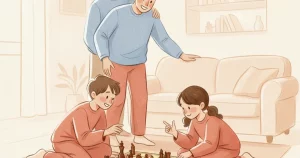
Not in school, not in games, not in life. We grow up hearing things like, “Don’t fail,” “Don’t make mistakes,” “Be careful.” Yet this is exactly why Chess Is Actually a Superpower — it teaches us that mistakes aren’t something to fear, but something to learn from.

And somewhere along the way, we start believing that losing is a sign of weakness.
But sit with a chess player long enough, and you’ll see something different — losing is not the end. It’s
a tool. A mirror. A turning point.
In chess, losing teaches you more than winning ever will. And funny enough, the players who learn to lose well often become the ones who win the most.
When Losing Becomes a Lesson Instead of a Pain
Think about your first chess game.
You move confidently, your plan looks perfect…
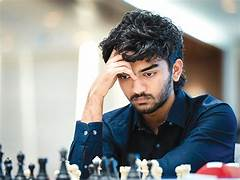
…and suddenly your opponent takes your queen.
You feel shocked. Maybe embarrassed. Maybe angry.
But after that moment, you never forget that mistake
again.
That’s how the brain works.
You learn faster from doing something wrong than from doing it right.
In chess, every blunder becomes a reminder. Every loss becomes a chapter.
Winning feels good. Losing changes you.
The Strange Truth: All Grandmasters Lose — A Lot
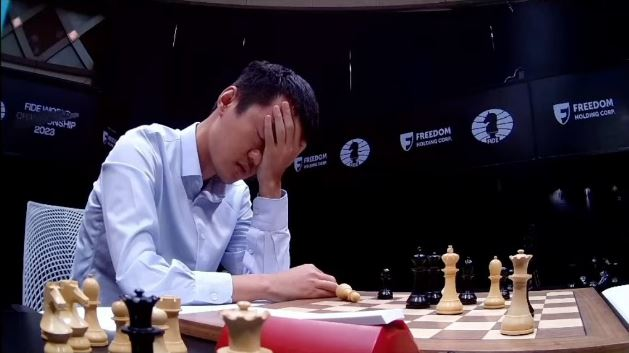
Look at the young champions today — Gukesh, Pragg, Vaishali, Abdusattorov.
Before their big wins, they lost hundreds of games.
Not a handful — hundreds.
Even Magnus Carlsen, the most dominant player of our era, once said he learns more from his losses than from any of his victories.
He reviews them immediately. Not to feel sad — but to understand
Why did this happen?
Where did I miss the idea?
What changed the position?
Champions don’t hide from their mistakes.
They sit with them, study them, and grow through them.
Losing Builds the One Skill Most People Lack: Emotional Control
You know the sinking feeling when you blunder a piece?
That tiny moment where your stomach drops?
That’s not just a chess reaction — that’s human emotion.
Learning to manage that feeling is powerful.
Because that same emotion shows up everywhere in
life:
- Exams
- Job interviews
- Relationships
- Pressure moments
- Unexpected problems
Chess trains you to stay calm, even when things go wrong.
You learn not to panic, not to overreact, not to give up.
Some players even say chess taught them how to handle real-life stress better than anything else.
Losing Makes You Curious — And Curiosity Is Fuel
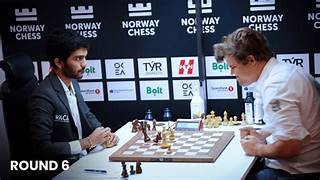
When a student loses a match they should’ve won, something interesting happens.
That moment reveals why Chess Is Actually a Superpower.
They start asking questions:
- What was the turning point?
- Did I rush?
- Did I fall for a trap?
- Did I miss a tactic?
That curiosity is where real improvement begins.
And this habit travels into school and life as well. Kids who learn chess tend to analyse situations, not just react to them.
They don’t say, “I’m bad at this.”
They say, “What did I miss? How can I improve?”
That mindset is a superpower
The Comeback Story: Why Bounce-Back Players Succeed Most
One of the most inspiring stories in recent years is from Praggnanandhaa.
Before his rise, he went through multiple tournaments with tough losses.
But he didn’t stop. He didn’t lose confidence.
He kept showing up, kept playing, and kept learning.
That’s exactly why Chess Is Actually a Superpower — it teaches you how to lose, learn, and come back stronger.

Today he’s one of the most respected young talents in the world.
And in upcoming Candidates also we can see him playing candidates tournament.
How CircleChess Helps Players Learn Through Losses
This is where platforms like CircleChess stand out.
They don’t glorify winning — they help you understand your games.
That’s why Chess Is Actually a Superpower, and CircleChess focuses on turning every game into a lesson.
On CircleChess, you can:
- Analyze your losses with clear breakdowns
- Review mistakes and learn alternative moves
- Join Café tournaments where you experience
- pressure in a fun, friendly environment
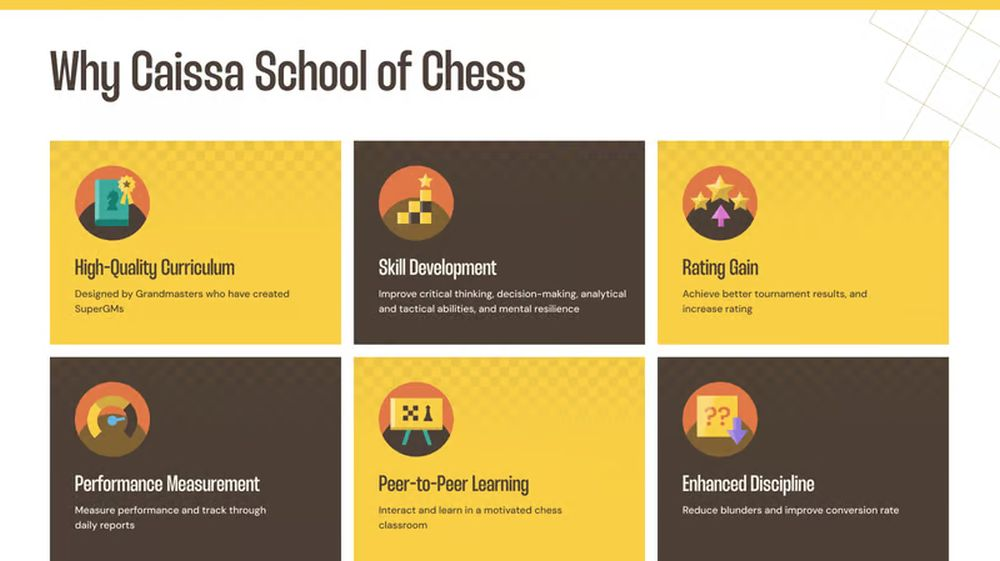
- Attend GM/IM classes through the Caissa School
- where masters explain how to recover from setbacks
- Track improvement so you can literally see how losses are shaping your growth
What I love most is that CircleChess treats losing as part of the journey — not something to be ashamed of. It helps parents and students see progress over weeks, not minutes.
If you want a space that turns mistakes into fuel, CircleChess is worth exploring.
Why Losing Makes You Strong in Real Life Too
It’s have deep knowledge — the lessons you learn from losing in chess quietly transfer to everything else:
- You learn to pause and reflect instead of blaming.
- You start thinking long-term instead of staying stuck in one moment.
- You handle pressure better because you’ve already lived it on the board.
- You stop fearing mistakes because you know they’re part of the process.
Most people fear losing so much that they never even try.
Chess players try, lose, learn, and try again — and that’s why they grow faster.
Conclusion: Losing Is Not a Failure — It’s a Feature
In chess, the board doesn’t judge you.
You can blunder today and play brilliantly tomorrow.
Losing doesn’t make you weak — it makes you aware.
It builds patience, reflection, and resilience.
This is why Chess Is Actually a Superpower.
If you keep learning from your losses, you’re not moving backward.
You’re sharpening your mind for the next game — the next decision — the next challenge.
So the next time you lose a match, don’t feel bad.
Feel grateful.
You just found your next lesson.