

Your child loves chess, but between school, screens, and a packed schedule, you need a program that actually builds skills—not just adds more “edutainment” to the mix. Kaabil Kids is one of the names parents keep hearing in 2026, yet it’s hard to tell from marketing alone whether it truly delivers.
Here you’ll get a clear, experience-based look at how Kaabil Kids works, where it shines and where it falls short, how it compares with platforms like CircleChess, which ages and levels benefit most, and what kind of time and commitment your child realistically needs before you see real improvement on the board.
In a world teeming with distractions, the question isn’t just whether Kaabil Kids is worth the price tag—it’s whether investing in their future means investing in their ability to think strategically, one chess move at a time.
Reference: Kaabil kids
Is Kaabil Kids Worth It in 2026? Honest Review & Insights
Introduction
Parents exploring online chess classes are often flooded with options: live academies on Zoom, app-based trainers like ChessKid, and structured programs such as Kaabil Kids and CircleChess. Each promises “personalized coaching” and “rapid improvement,” but the actual experience can vary widely depending on class size, coach quality, and how well the content matches a child’s level.
The challenge is practical rather than theoretical. Families juggle school, coding classes, and weekend sports; they may only have a 3–6 month window and a fixed budget to test a chess platform. If the fit is wrong—say, a Grade 2 child stuck in a crowded group where the coach can’t even remember their name—that time and money are effectively lost.
This review looks at how the Kaabil Kids platform works in 2026, where it shines, and where it lags behind alternatives like CircleChess. You’ll see which ages and ratings (for example, under 800 vs 1200+ USCF) are likely to benefit, what kind of parental involvement is realistic, and when another option may make more sense.
The goal is clarity, not hype. Whether the program is “worth it” depends on your child’s ambition—casual school-club play versus pushing for US Chess tournaments—your budget, and how your kid actually learns best: live classes, interactive puzzles, or coach-led game reviews.
1. What Is Kaabil Kids in 2026? Program Overview & Who It’s For
Current Offering: Format, Age Groups, Curriculum, Pricing
By 2026, Kaabil Kids runs as a structured online chess academy with a mix of weekly live Zoom-style classes and app-based recorded lessons. Families typically choose 2–3 live sessions per week, supported by bite-sized practice videos and puzzles children can access on-demand between classes.
Groups are usually split into 6–8, 9–12, and 13–15 age bands, with tracks for early learners, beginners, and tournament-focused kids. The curriculum follows a clear syllabus of theme-based modules—tactics, endgames, openings—so students move from basic mates to ideas like minority attack in a logical progression.
Pricing is tiered: budget plans offer one small-group class per week, while higher bundles add extra live sessions, practice tournaments, and coach feedback on games. Parents often pick a mid-tier plan that combines two weekly classes with access to recorded libraries and homework sheets.
How Kaabil Kids Has Evolved by 2026
Compared with its early versions, the 2026 program has cleaner dashboards, clearer pathways, and more tightly sequenced lesson plans. Parents can now see completed topics, accuracy on tactics, and recent game results in one place instead of juggling PDFs and scattered links.
Coaches increasingly use data from tactics trainers and rapid games to adapt homework volume and topic difficulty. Light gamification—streaks, badges, and weekly leaderboards—keeps 7–10-year-olds engaged without turning every class into a screen-time contest.
Against US-focused platforms like ChessKid and Lichess studies, Kaabil Kids has caught up on structured pathways but still leans more on live coaching than fully automated progress tracking. For NRI families, that human-led emphasis is often seen as a strength rather than a weakness.
Ideal Learner Profile for Kaabil Kids
The program best suits children roughly 6–14 who know basic moves or simple mates and can sit through 45–60 minutes of guided learning. Kids just touching their first chessboard may benefit from a parent-led intro week before joining the youngest group classes.
Students who enjoy real-time interaction, raising their hand on Zoom, and hearing their names called by a coach tend to thrive. A child who likes solving puzzles, following routines, and being gently pushed to explain “why” behind each move usually gets the most from the structured pacing.
Kaabil Kids works particularly well for goals like building strong fundamentals, preparing for local scholastic events, and developing long-term thinking skills. Their New Year campaign—“we don’t just teach moves, we build young minds to think ahead, solve problems, and make smart decisions”—captures this focus on life skills beyond rating points.
Where Kaabil Kids Fits Among Best Chess Programs for Kids in the US
For families in the US and NRI parents abroad, Kaabil Kids sits between casual puzzle apps and elite 1:1 coaching from titled players. It functions well as a main training hub for 600–1400-rated kids, then a stepping stone to more intensive FIDE or USCF-focused coaching when children start chasing state titles.
Compared with larger US platforms, Kaabil Kids is usually more affordable than private coaching but more structured than free resources. Parents who want consistent live guidance, homework, and a clear path from “learning rules” to “playing rated tournaments” often use it as the backbone of their child’s chess routine, adding local clubs or weekend events for extra practice.
2. Kaabil Kids Features & Teaching Approach: A Deep Dive

2. Kaabil Kids Features & Teaching Approach: A Deep Dive
Core Learning Model
Kaabil Kids blends live Zoom-style classes with short, focused recorded lessons so children can learn at their own rhythm. A typical beginner batch might meet live twice a week, while 10–15 minute replays are available for kids to review tactics or openings before weekend practice games.
Between classes, learners solve curated puzzles and drills on platforms like Lichess and Chess.com, guided by Kaabil worksheets. For example, a Grade 3 child may receive 20 mates-in-one and 10 fork puzzles after each session, with streaks tracked on a shared Google Sheet for coach review.
Homework is light but consistent: 15–25 minutes, three to four times a week. Coaches log completion in a central tracker, and parents receive a brief weekly summary so they can see if practice targets are being met.
Coaching Quality and Teaching Style
Most Kaabil Kids instructors are rated 1800–2200 FIDE or equivalent online, with several having coached at school programs modeled on the Kasparov Chess Foundation format. Many have prior experience working with ages 6–14, which helps them adjust explanations to attention span and maturity.
Group classes usually maintain a 1:6 to 1:8 coach–student ratio, so each child gets time for questions. Short 1:1 doubt-clearing slots are offered before or after class, similar to office hours in U.S. school enrichment programs, which reassures parents whose children are shy in groups.
Lessons rely on stories, quizzes, and live game analysis. A coach might compare a rook to a “fire truck on open roads” or run a quick Kahoot-style quiz about piece value to keep kids alert and smiling.
Curriculum Structure and Progression
The program guides children from learning basic moves to confidently playing local online events. Beginners start with checkmating patterns and safe development; advancement requires simple milestones, such as reliably avoiding scholar’s mate and completing 100 tactic puzzles with 70–80% accuracy.
Core topics follow a loop: opening principles, tactics, basic strategy, then endgames, revisited every 6–8 weeks at a higher difficulty. For instance, early sessions cover “control the center,” while later ones dissect specific systems like the Italian Game.
Competitive skills are built in gradually. Kids practice notating games, use simple countdown timers to learn time management, and review one weekly game with the coach to discuss nerves, blunders, and how to bounce back after a loss.
User Experience for Kids and Parents
The Kaabil Kids interface is intentionally simple, with large buttons, color-coded levels, and clear class timers so even a 7-year-old can join a session without constant help. Short badges for streaks or completing puzzle sets add a light layer of gamification without turning it into a distraction.
Parents access a separate dashboard to view attendance, recent topics, and quick coach comments like “Aarav is calculating better in knight forks.” This mirrors progress views on learning tools such as Khan Academy, giving caregivers clarity without needing to sit through every class.
Scheduling is built for busy families, with evening IST slots that suit NRI parents coordinating from the U.S. or Middle East. Classes run on stable video platforms, and missed lessons can be rescheduled or watched as recordings to keep kids from falling behind during travel or exams.
Reference: CircleChess vs Kaabil Kids: Chess Learning Compared 2026
3. Is Kaabil Kids Worth It in 2026? Value, Outcomes, and Limitations
Defining “Worth It” for Chess Parents
For most parents, value comes down to three things: their child enjoying class, visible improvement on the board, and sticking with chess for more than a few months. A live, coach-led setup like Kaabil Kids tends to score well on fun and engagement for ages 6–12, especially when coaches use stories, puzzles, and mini-games.
Expectations differ widely. A 9‑year‑old who plays once a week for fun needs a very different plan than a 12‑year‑old hoping to break 1400 USCF in a year. Parents should weigh their child’s temperament, school workload, and other activities before deciding if a multi-month, live-class program fits their routine.
Typical Learning Outcomes with Kaabil Kids
When kids attend two classes a week and practice tactics on sites like Lichess or Chess.com for 20–30 minutes a day, 150–300 rating points in 6–12 months is realistic from a sub‑800 starting point. From 1000–1200, gains are slower but still noticeable in better opening choices and fewer blunders.
Non-rating gains matter too. Parents often report better focus during homework and more confident decision-making in everyday choices. Because the curriculum is built under the guidance of GM Tejas Bakre, India’s 11th Grandmaster, CircleChess vs Kaabil Kids: Chess Learning Compared 2026 notes that kids typically understand basic tournament etiquette and are ready for local or online events after steady training.
Strengths and Weaknesses of Kaabil Kids
The main strength is structure: progressive batches, regular homework, and coach feedback. For many NRI parents, the cultural familiarity and Indian‑time‑zone friendly schedules are a plus, especially when a child connects with a coach who speaks their home language and uses examples from Indian chess icons like Viswanathan Anand.
There are trade-offs. Very advanced kids pushing beyond 1800 often need specialized preparation—deep opening files, engine-assisted analysis, and intense tournament scheduling—that group classes rarely deliver. Families in the U.S. Pacific time zone may find evening IST classes clash with school, and younger children may still need a parent nearby to manage logins and homework reminders.
Who Should Probably Skip Kaabil Kids
This model may not suit highly independent learners who prefer self-paced study using books by authors like Jeremy Silman or intensive puzzle training apps. Kids who dislike live video interaction or rigid schedules might be happier with asynchronous lessons and on-demand drills.
Ultra-competitive students chasing national titles or aiming for 2000+ ratings usually benefit from a tailored setup: 1:1 work with titled coaches, frequent FIDE-rated events, and detailed post-game analysis. Families constrained by budget, or those unable to commit to fixed class slots, may find a mix of lower-cost online platforms, local club coaching, and occasional camps a better fit than a recurring group-class subscription.
Reference: CircleChess vs Kaabil Kids: Chess Learning Compared 2026
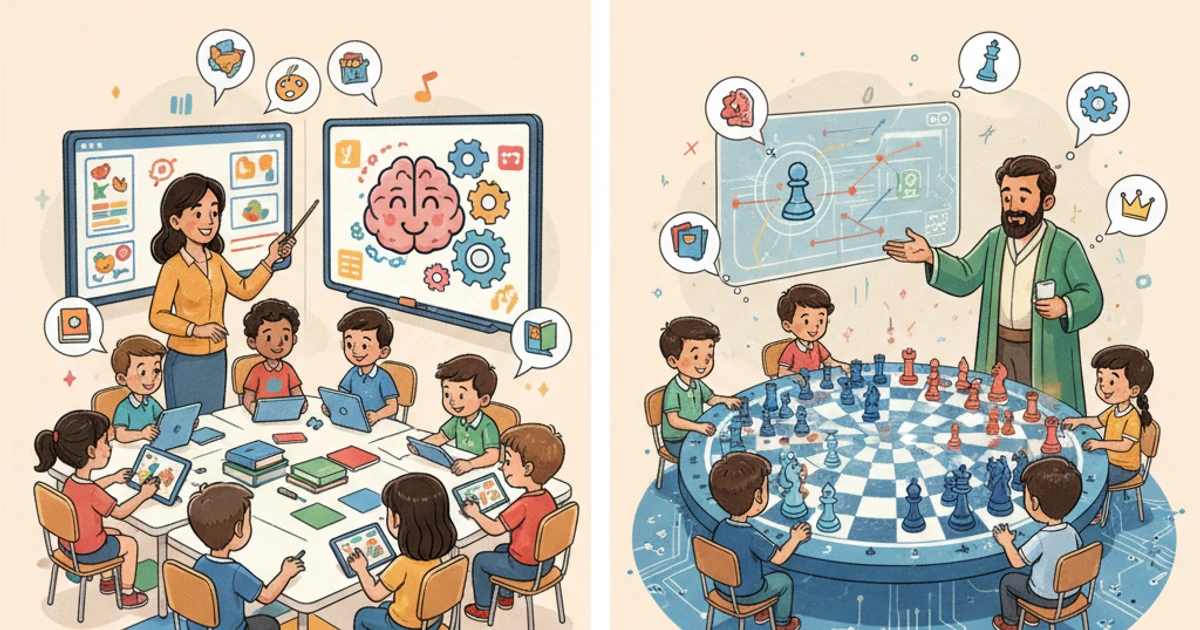
4. Kaabil Kids vs CircleChess in 2026: Honest Side‑by‑Side Comparison
4. Kaabil Kids vs CircleChess in 2026: Honest Side‑by‑Side Comparison
Teaching Philosophy Compared
Both platforms want kids to improve quickly, but they use different methods to get there. Kaabil Kids leans on highly structured, syllabus-driven live coaching, while CircleChess emphasizes exploratory learning supported by data and on-demand tools.
In a typical Kaabil Kids batch for ages 7–10, a coach might spend an entire week drilling basic mates and tactics, correcting every mistake on Zoom. CircleChess, in contrast, guides a child to solve daily puzzles, review their own games with an engine, and get targeted feedback highlights after each online tournament.
Features, Tools, and Community Side by Side
Kaabil Kids feels like a small classroom; CircleChess feels like an ecosystem. One is centered on a coach’s calendar, the other on flexible tools and peer competition.
| Aspect | Kaabil Kids | CircleChess |
|---|---|---|
| Live Classes | Fixed-time Zoom groups, 2–3x/week | Optional live events; focus on self-paced play |
| Practice Tools | Homework PDFs, coach-created studies | In-app puzzles, engine analysis, opening prep |
| Community | Small cohorts, coach-led sparring | Regular arenas, leaderboards, club events |
Cost, Flexibility, and Long‑Term Value
Parents usually compare monthly spend with actual hours of engagement. Kaabil Kids tends to charge per batch or course, while CircleChess is closer to a software subscription with optional add-ons.
For example, a family might pay $80–$120 per month for two Kaabil Kids group sessions weekly, versus a lower recurring fee for CircleChess access plus occasional paid tournaments. If a child takes breaks during exam season, CircleChess is easier to pause and resume without losing continuity.
Which Platform Wins for Different Scenarios
Some learners thrive with structure; others blossom when they can explore. That’s where choosing the right platform mix matters.
A self-driven 11-year-old rated 1400 USCF who loves playing nightly rapid games will likely gain more from CircleChess analytics, frequent arenas, and iterative game review. A 7-year-old beginner who still forgets how pieces move may benefit from Kaabil Kids’ slower-paced, coach-led explanations, then later add CircleChess as their main practice and sparring hub.
Reference: ChessKid Youth Championships 2026 U-16 FINALE: Andy vs …
5. Comparing Kaabil Kids to Other Best Chess Programs for Kids
Kaabil Kids vs Popular Global Kids’ Chess Platforms
Parents often compare Kaabil Kids with global options like ChessKid, Lichess, and Chess.com’s young-learner tools. Global platforms usually offer massive puzzle libraries, powerful Stockfish-based engines, and millions of users, which is excellent for breadth of practice and 24/7 play.
Kaabil Kids focuses more on structured, child-friendly curricula and region-aware mentoring. For example, many coaches understand Indian and NRI school schedules, exam seasons, and common tournament circuits like AICF events, which helps align training with real calendars and rating goals.
Live Coaching vs Self‑Paced Learning
Live small-group classes on platforms like Kaabil Kids or CircleChess give younger children real-time feedback, similar to how a school teacher corrects worksheets on the spot. A coach can instantly fix blunders, keep a restless 7-year-old engaged, and assign targeted homework after each 60-minute session.
Self-paced apps such as ChessKid or Lichess studies suit disciplined or introverted kids who enjoy quietly solving 20–30 puzzles a day. Parents who work late often prefer this flexibility, letting their child practice tactics at 8 p.m. without being tied to a fixed Zoom class.
Online‑Only vs Hybrid and Over‑the‑Board Coaching
Purely online training can miss the practical stress of sitting at a real board with a clock, noisy hall, and arbiters walking around. Many children who blitz well on tablets struggle in their first US Chess or FIDE-rated event because they are not used to writing notation or managing time on a DGT clock.
Pairing Kaabil Kids with a local club—such as a monthly meet-up at a community center or school chess team—helps bridge that gap. Kids get theory online, then test it in weekend tournaments, balancing travel time and cost with valuable social interaction and real-world confidence.
How to Shortlist 2–3 Best Chess Programs for Your Child
To build a shortlist, parents can rate each option on budget, coaching style, tech features, and tournament support. For example, compare whether platforms offer USCF or FIDE-rated event guidance, parent reports, and safe communication channels, then match that with your child’s temperament and attention span.
A practical approach is to pick 2–3 platforms—perhaps Kaabil Kids, a global app like ChessKid, and a nearby in-person academy—and use free trials or demo classes for two weeks. Track simple metrics such as puzzles solved, classes attended, and your child’s enthusiasm level to make a data-backed final decision.
Reference: CircleChess vs Kaabil Kids: Chess Learning Compared 2026
6. Real‑World Experience: Parents, Kids, and Coaches Review Kaabil Kids in 2026
6. Real‑World Experience: Parents, Kids, and Coaches Review Kaabil Kids in 2026
What US and NRI Parents Say
Parents in the US and abroad often mention that the structured weekly classes and small group batches help kids build a routine. An NRI mom from San Jose, for example, shared that her 8‑year‑old climbed from Chess.com 350 to 750 rapid in five months after consistent Tuesday–Thursday sessions.
Common gripes in 2026 reviews include last‑minute schedule changes and slow responses on WhatsApp or email during peak hours. Some parents in New Jersey and Dallas also feel the pace is conservative once children cross the 900–1000 online rating mark, and they request more challenging tournament prep.
Kids’ Perspective on Kaabil Kids
Children often talk about the platform in terms of the fun elements: puzzle races, blitz mini‑events, and friendly banter with coaches. One 10‑year‑old from Seattle described looking forward to “Friday tactics battles” more than his regular school club because coaches call out his name and track his streaks.
Kids do report feeling bored when a batch mixes wide rating levels, such as 300 with 900 players, since explanations slow down. They’re usually very honest with parents: if a child starts asking to log into Lichess or CircleChess tournaments between classes, that’s a strong sign of genuine interest rather than quiet compliance.
Coaches’ View on Kaabil Kids Students
Independent coaches and local organizers at events like Chicago Chess Club or Mechanics’ Institute in San Francisco often note that students from this ecosystem show solid opening discipline and basic tactics. They tend to record moves properly and know standard ideas like forks, pins, and simple mates by around the 700–800 level.
On the flip side, coaches sometimes observe weaker endgame technique and time management, especially in 30+5 OTB games. When these kids switch to in‑person training, they usually adapt quickly to face‑to‑face boards, but may need several tournaments to get comfortable with clock pressure and noisy playing halls.
Red Flags and Green Flags in Early Sessions
During trial lessons, parents should scan for teachers who address kids by name, ask questions, and draw diagrams rather than just reading from a PGN. If you see your child raising their hand, typing answers in chat, and smiling during puzzle review, that’s a strong green flag.
Warning signs include batches with 20+ students where questions go unanswered, or the coach racing through material without checking understanding. In the first month, track whether your child voluntarily solves puzzles on ChessKid, Lichess, or CircleChess and whether their online rating or confidence in local club games shows even small, steady gains.
Reference: Your child isn’t just playing… they’re …
7. How to Decide if Kaabil Kids Is Right for Your Child in 2026
Key Decision Factors for Families
Start by matching the program to your child’s age, attention span, and current strength. A 6-year-old who can focus for 20 minutes and only knows basic piece moves needs shorter, playful lessons, while a 10-year-old rated 900–1000 on lichess can handle structured tactics and endgames.
Clarify whether you want relaxed, educational exposure or serious tournament progress. For instance, a family aiming for 100–150 rating points in USCF tournaments over a year will need more weekly classes than a family that just wants screen time to be productive.
Simple Evaluation Checklist Before Enrolling
Before you commit, walk through a quick checklist. Ask: “Is my child asking to play chess on their own?”, “What is our monthly budget for classes?”, and “Are we hoping for enjoyment, trophies, or both?”
Contact support and ask about coach stability, how often reports are shared, and whether class frequency can be changed mid-term. Parents using CircleChess, for example, often clarify expectations around rating goals, parent involvement in homework, and how absences are handled before paying for a long plan.
Trial Strategy and Progress Checks
Use any free trial or 4-week starter plan as a test drive. Treat it like a pilot project: observe how your child reacts after class and whether they ask to review games or solve puzzles without being pushed.
After 4–8 weeks, look for concrete markers: puzzle accuracy rising from, say, 50% to 70%, fewer blunders per rapid game, and more enthusiasm to play online tournaments on platforms like Chess.com. If progress feels uneven, discuss adjusting level, coach, or class count before deciding it is not working.
When to Switch from Kaabil Kids to Another Program
Every program has a season. If your child is consistently bored, dreading lessons, or their online rating has stayed flat for 3–4 months despite regular practice, it may be time to explore alternatives.
Plan the transition carefully so momentum is not lost. For example, some parents move structured classes to CircleChess while keeping casual games with friends on the old platform for a few weeks. Talk openly with your child and the current coach about what is and is not working, then choose a new setup that better matches their personality and goals.
Reference: Kaabil kids | Online Chess on Instagram: “Is your child unsure …
8. Practical Alternatives & Complementary Options to Kaabil Kids
When CircleChess Works Better
Some kids respond best to data-driven tools, rich analytics, and flexible schedules. For a 9-year-old like Aarav who already plays on Chess.com and follows GothamChess on YouTube, CircleChess can be a stronger starting point than a fully coach-led program.
The platform’s game analysis, tactics trainer, and team events give self-motivated kids daily practice and feedback. Parents can track progress through rating graphs and accuracy reports, then add a weekly live class later when patterns and weaknesses are clearer.
Blending Kaabil Kids with CircleChess and Other Tools
A hybrid approach works well for many families. You might use Kaabil Kids for concept-based lessons, then schedule 20 minutes of CircleChess drills after homework, followed by game review on weekends.
To avoid overwhelm, keep one platform as the “home base” for lessons and use others—like Lichess puzzles, the ChessKid app, or Stockfish analysis—for very specific tasks. Write a simple weekly plan so your child knows exactly which site to open and why.
Offline Resources to Pair with Any Platform
Online tools are powerful, but real boards matter. Joining a local US Chess Federation–rated club or a school team lets kids experience clocks, notation sheets, and tournament pressure in a safe environment.
Even one in-person coaching session per month with a local expert can sharpen opening choices and endgame technique. Over-the-board play also builds resilience, sportsmanship, and focus in ways that video calls and apps can’t fully match.
Budget‑Friendly Paths to Strong Chess Fundamentals
Families on tighter budgets can mix a small number of paid classes with free resources. For example, one Kaabil Kids group session per week plus daily puzzles on Lichess and free game analysis with Stockfish already creates a solid training plan.
Public libraries, YMCA programs, and school chess clubs often host no-cost or low-cost meetups. What matters most is a consistent routine—30–40 minutes of focused practice, four to five days a week—rather than stacking multiple expensive subscriptions.
Reference: London VS KID Course Add-on (Black Alternatives to 8…Re8)
Conclusion: Is Kaabil Kids Worth It in 2026?
Key Takeaways on Who Kaabil Kids Is Best For
Kaabil Kids tends to work best for children who respond well to structured, coach-led classes and clear weekly routines. A 9-year-old playing USCF scholastic events, for example, may thrive with scheduled lessons, homework positions, and regular feedback from the same mentor.
Families who struggle with fixed timings, or kids who prefer self-paced learning and puzzles on demand, may not extract full value. For a casual 7-year-old playing once a week on Lichess, a lighter mix of free online resources and occasional classes can be just as effective.
Kaabil Kids vs CircleChess and Other Top Programs
Compared with CircleChess, which emphasizes flexible practice, analytics, and coach discovery, Kaabil Kids is closer to a traditional academy with a defined curriculum. Parents often pair CircleChess’ training tools and tournament tracking with live classes from various coaches.
For a motivated 11-year-old rated around 900, CircleChess can provide opening drills, performance charts, and group classes, while Kaabil Kids may shine for younger learners who need more hand-holding and a single, consistent mentor.
Expected Outcomes and Timelines
Most school-age kids who attend 2–3 quality sessions per week and practice 30–45 minutes a day can see a 150–300 rating gain over 6–12 months, based on common patterns in USCF and Chess.com rapid ratings. Progress is rarely linear; plateaus of 2–3 months are normal.
Parents should watch not only ratings but also how a child starts calculating one move deeper, sits longer at the board, and handles losses better. A third-grader who used to blunder queens every game but now blunders once in five games is making real, if quiet, progress.
Recommendation Paths and Next Steps
If your child enjoys live group interaction and you want a single, guided program, Kaabil Kids can be a strong choice. If you value flexibility, data-driven improvement, and the ability to switch coaches easily, a CircleChess-centered approach may fit better.
A practical path is to test each option for 4–6 weeks: book a Kaabil Kids batch, join a CircleChess coach’s class, compare how eagerly your child logs in, and track a simple home plan (three 20-minute practice blocks per week). Revisit goals every quarter and be ready to change the mix as your child’s interest, school load, and ambitions evolve.
FAQs About Kaabil Kids, CircleChess, and Kids’ Chess Training in 2026
How Do I Choose Between Kaabil Kids and CircleChess in 2026?
Choosing between these platforms starts with your child’s age, attention span, and comfort with learning online. Younger kids (6–8) often benefit from more live guidance, while 9–12-year-olds can handle slightly more independence.
Many parents test both using a free trial or a weekend demo class, then compare how clearly coaches explained ideas like basic tactics or simple endgames. After a week, ask your child which lessons felt more fun and easier to follow—letting them vote often leads to better long‑term commitment.
Why Is Structured Online Coaching Important for Young Chess Learners?
A structured program protects kids from random YouTube learning that may skip fundamentals such as checkmate patterns, piece activity, and basic opening principles. A clear curriculum with levels, regular feedback, and homework keeps progress steady instead of up‑and‑down.
Parents often notice this when a child’s online rating—say on Lichess or Chess.com—starts climbing steadily over three months instead of swinging wildly. For kids under 11, that structure is crucial because most are not yet ready to design their own practice plan or analyze games alone.